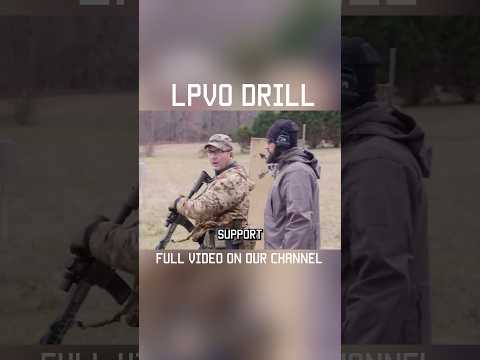
A drill for Low-Powered Variable Optics! #shorts #training #military

Published on April 20, 2026
Duration: 1:00

This drill focuses on efficient transitions between shooting positions (standing, kneeling, prone) while emphasizing the proper use of magnification adjustment on a Low-Powered Variable Optic (LPVO). The instructor highlights the importance of working the magnification control during the prone transition and engaging targets from various angles, including over-the-shoulder shots.


Quick Summary

This LPVO transition drill focuses on moving efficiently between standing, kneeling, and prone positions while mastering magnification adjustments. The key is to use your support hand to dial in the correct zoom as you transition to prone, offering tactical advantages for dynamic shooting.

Chapters

  1. 00:00Drill Overview: Standing to Kneeling to Prone
  2. 00:05Magnification Adjustment in Prone
  3. 00:10Engaging Targets: Bottom and Over-the-Shoulder
  4. 00:18Shooter Ready and Standby
  5. 00:41Focus on Time and Control Hand Use
  6. 00:53Advantages of Dialing Magnification

Frequently Asked Questions

What is the primary focus of the LPVO transition drill?

The drill emphasizes smooth transitions between shooting positions (standing, kneeling, prone) while effectively manipulating the magnification on a Low-Powered Variable Optic (LPVO). It also includes engaging targets from various angles and distances.

When should you adjust magnification during this drill?

The instructor specifically advises adjusting magnification as you transition to the prone position. This allows you to set the appropriate zoom level for your target engagement before firing.

What are the benefits of using your control hand for magnification adjustment?

Using your control hand (typically the support hand) to dial magnification left and right can offer tactical advantages by allowing for quicker adjustments and maintaining a stable shooting platform.

What shooting positions are covered in this LPVO drill?

The drill incorporates standing, kneeling, and prone shooting positions. It requires engaging targets from each of these positions sequentially.

Related News

All News →

More Training & Techniques Videos You Might Like

More from Tactical Rifleman

View all →