AR-15 Malfunction Clearance and Loading from Cover

Published on July 19, 2012
Duration: 8:36

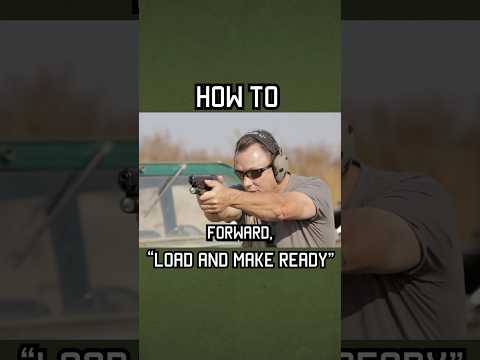
This video demonstrates how to clear a double feed malfunction on an AR-15, emphasizing the 'rip, rack, reload' method. It also covers proper use of cover during weapon manipulation, advising against exposing oneself while reloading and suggesting taking a knee for better concealment. The instructor highlights the importance of maintaining a low profile behind cover.

Quick Summary

To clear an AR-15 double feed, rip the magazine out, then work the charging handle to the rear two or three times to extract the faulty round. For added safety, cycle the action vertically. Finally, reload the weapon. When using cover, taking a knee is recommended for better concealment during manipulation.

Chapters

  1. 00:37Introduction to Malfunction Drills
  2. 00:56Options for Weapon Malfunctions
  3. 01:31Simulating a Double Feed
  4. 02:32Double Feed Malfunction Clearance Steps
  5. 03:06Rip, Rack, Reload Technique
  6. 04:57Using Cover During Weapon Manipulation
  7. 05:14Common Cover Reloading Mistakes
  8. 06:04Proper Cover Reloading Stance
  9. 06:26Taking a Knee for Cover
  10. 06:43Reloading Behind Small Cover

Frequently Asked Questions

What are the primary steps to clear an AR-15 double feed malfunction?

To clear an AR-15 double feed, first rip the magazine out. Then, work the charging handle to the rear two or three times to extract the faulty round. For extra safety, cycle the action vertically. Finally, reload the weapon.

Why is taking a knee important when reloading behind cover?

Taking a knee when reloading behind cover is crucial for maintaining concealment. It allows you to keep your weapon and body low, minimizing your profile and preventing you from becoming an easy target for adversaries.

What is a common mistake when using cover for weapon manipulation?

A common mistake is standing directly behind cover while reloading or clearing a malfunction. This exposes your upper body and weapon, giving away your position. It's better to stay low and utilize the cover effectively.

When should you switch to a secondary weapon during a malfunction?

If your primary firearm malfunctions at close range (around 10 yards) and there's an immediate threat, you should switch to your secondary weapon to neutralize the target. You can then address the malfunction of your primary weapon later.

Related News

All News →

More Training & Techniques Videos You Might Like

More from The VSO Gun Channel

View all →