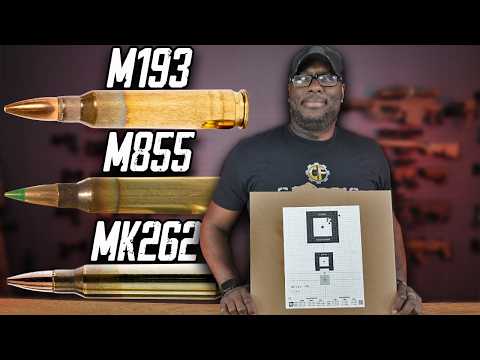
Are you shooting the right ammo?

Published on November 17, 2023
Duration: 15:38

This video provides an expert-level breakdown of how to choose the right ammunition, focusing on internal, external, and terminal ballistics. Lead Firearms Instructor Jimmy B Rodriguez explains key metrics like velocity, standard deviation, and extreme spread, and how bullet types (ball vs. hollow point boat tail) affect ballistic coefficient and terminal performance. The content is geared towards shooters of gas guns, precision rifles, and carbines, emphasizing context and goals for effective ammo selection.

Quick Summary

Choosing the right ammunition involves understanding internal, external, and terminal ballistics. Key metrics include velocity (affecting trajectory flatness), standard deviation (indicating consistency), and ballistic coefficient (measuring aerodynamic efficiency). Bullet type also plays a crucial role in terminal performance on impact. Your specific context and goals are paramount in making the optimal ammo selection.

Chapters

  1. 00:00Introduction: Are You Shooting the Right Ammo?
  2. 00:11Visit to True Shot Ammo
  3. 00:37Choosing Ammo: Key Factors
  4. 00:53Understanding Ballistics: Internal, External, Terminal
  5. 01:38Velocity: Speed and Trajectory
  6. 03:17Standard Deviation (SD): Consistency
  7. 04:41Extreme Spread (ES): Outliers
  8. 06:14Bullet Type: Design and Aerodynamics
  9. 07:24Ballistic Coefficient (BC): Efficiency
  10. 08:20Terminal Ballistics: Impact Performance
  11. 10:30Context and Goal: The Deciding Factors
  12. 12:05The Ammo Library Concept
  13. 12:55Testing Methodology for Gas Guns
  14. 14:05Further Resources and Deep Dives
  15. 14:54Tip Jar and Support

Frequently Asked Questions

What are the three main types of ballistics to consider when choosing ammunition?

When choosing ammunition, you should consider internal ballistics (what happens inside the gun), external ballistics (how the bullet travels through the air), and terminal ballistics (what happens on impact). Understanding these aspects helps in selecting the most effective ammo for your specific needs and goals.

How do velocity and standard deviation affect ammunition performance?

Higher velocity generally leads to a flatter trajectory, making it easier to shoot at longer distances. Standard deviation (SD) measures velocity consistency; a lower SD indicates more predictable performance and tighter vertical shot groups, which is crucial for accuracy.

What is the significance of Ballistic Coefficient (BC) in ammunition?

Ballistic Coefficient (BC) measures a bullet's aerodynamic efficiency in the air. A higher BC means the bullet retains velocity better, is less affected by wind, and maintains a flatter trajectory, making it more effective for precision shooting at extended ranges.

How does bullet type influence terminal ballistics?

Bullet type, such as standard ball versus hollow point boat tail or ballistic tip, significantly affects terminal ballistics. Different designs require varying velocities to achieve their intended effect on impact, influencing their suitability for hunting, self-defense, or target shooting.

Related News

All News →

More Training & Techniques Videos You Might Like

More from Jimmy B Rodriguez

View all →