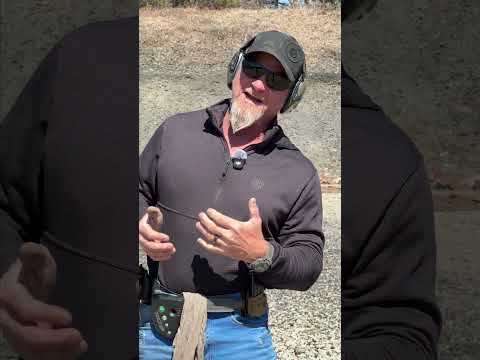
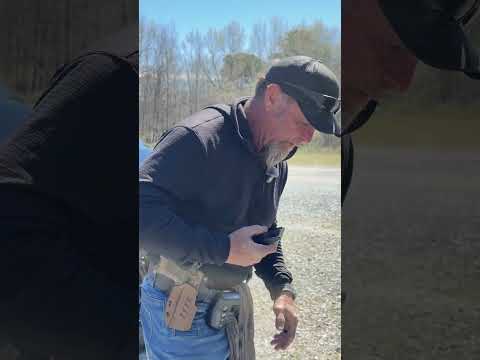
At the Range with Pat McNamara

Published on May 1, 2026
Duration: 38:05

This video provides expert instruction on tactical reloads and the effective use of cover, emphasizing the importance of smooth, deliberate movements and maintaining situational awareness. Instructor Pat McNamara details the mechanics of a tactical reload, distinguishing it from a speed reload, and stresses the need to avoid predictability when repositioning after a reload. The content also covers movement drills, focusing on footwork, proprioception, and utilizing peripheral vision, while debunking the notion of a universal 'stance' in dynamic shooting scenarios.


Quick Summary

Firearms instructor Pat McNamara emphasizes that tactical reloads are proactive magazine changes performed during lulls, prioritizing magazine retention, while speed reloads are done under duress. He also highlights the importance of avoiding predictability when using cover by changing positions or levels to maintain a tactical advantage.

Chapters

  1. 00:15Introduction: Tactical Reloads and Cover
  2. 00:29Meaningful Repetitions and Metacognition
  3. 01:59Cover Usage Principles
  4. 04:15Tactical Reload Mechanics
  5. 05:20When to Perform a Tactical Reload
  6. 06:33Tactical Reload Behind Cover
  7. 07:36Maintaining Workspace and Orientation
  8. 08:32Minimizing Empty Magazine Well Time
  9. 09:33Eliminating Predictability After Reload
  10. 10:30Avoiding Leading with the Face
  11. 10:56Engaging and Reloading Drill
  12. 11:39Smoothing Out Tactical Reloads
  13. 12:03Strong Hand vs. Support Hand Shooting
  14. 13:18Focusing on Smoothness and Accuracy
  15. 14:11Importance of Practicing Tac Reloads
  16. 14:21Magazine Retention Rules
  17. 15:07Self-Critique and Metacognition
  18. 16:13Pre-Course of Fire Checks
  19. 17:09Changing Levels and Eliminating Predictability
  20. 17:23Determining Good Cover
  21. 18:25Moving Drills and Footwork
  22. 19:50Proprioception and Smooth Movement
  23. 20:04Dance Steps and Peripheral Vision
  24. 20:24Using Peripheral Vision in Drills
  25. 21:08Grid of Fire Drill Explained
  26. 21:31Executing the Grid of Fire Drill
  27. 22:05Avoiding Flat Range Mindset
  28. 22:45Compressed Ready Stance
  29. 23:01Resistance Training with Footing
  30. 23:26Stance is Not a Fundamental
  31. 24:27Comprehensive Training Principles
  32. 25:08Self-Correction: Grip and Shot Placement
  33. 25:22Call Your Shot Drill
  34. 26:32Blaze X Drill Explained
  35. 28:21Blaze X: Cutting Corners and Momentum
  36. 29:56Blaze X Drill Performance

Frequently Asked Questions

What is the difference between a tactical reload and a speed reload?

A tactical reload is a proactive magazine change during a lull in the fight, allowing for magazine retention and a more deliberate process. A speed reload is performed under duress, prioritizing speed and often resulting in the discarded magazine not being retained.

Why is it important to avoid predictability when using cover?

Avoiding predictability after reloading or repositioning behind cover is crucial to prevent adversaries from anticipating your next move. By changing your position or level, you force them to reacquire you, increasing your tactical advantage.

What is the significance of footwork in firearms training?

Smooth and efficient footwork is vital for dynamic shooting. It allows for better balance, quicker transitions between positions, and improved proprioception, enabling a shooter to move effectively and safely while engaging targets.

Why is stance not considered a fundamental of fighting pistol marksmanship?

Stance is not a fundamental because combat situations rarely offer a stable, chosen shooting platform. Shooters must be adaptable and proficient from various positions, including around cover, in vehicles, or on their side, making a fixed stance irrelevant.

What is the 'Blaze X' drill and what does it teach?

The 'Blaze X' drill involves shooting from specific positions (two-handed, strong hand, support hand) and returning to a central point between shots, simulating dynamic engagement scenarios. It teaches ambidextrous shooting, adaptability, and the ability to transition between different firing platforms.

More Training & Techniques Videos You Might Like

More from Pat Mac

View all →