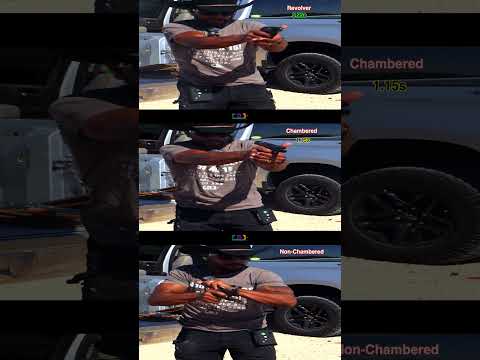
Carrying With One In the Chamber: Good Thing Or Bad Thing?

Published on March 31, 2021
Duration: 9:47

This guide, based on instruction from Kevin Michalowski, Director of Content for USCCA and a police officer, details the safety and tactical advantages of carrying a defensive firearm with a round in the chamber. It addresses common safety concerns with modern firearms and debunks myths surrounding older carry methods, emphasizing readiness in critical self-defense scenarios. Proper dry-fire safety protocols are also highlighted.

Quick Summary

Carrying a defensive firearm with a round in the chamber is recommended by experts like USCCA's Kevin Michalowski due to modern pistol safety designs and the critical time constraints of real-world gunfights. Immediate readiness is paramount, as average encounters are brief and occur at close range.

Chapters

  1. 00:00Introduction: Chambered Carry Recommendation
  2. 00:42The 1911 and Condition 1
  3. 01:14Safety of Modern Striker-Fired Pistols
  4. 02:14Dry Fire Safety Demonstration
  5. 04:00The Danger of an Empty Chamber
  6. 05:56Gunfight Statistics
  7. 06:30Debunking the Israeli Method

Frequently Asked Questions

Is it safe to carry a firearm with a round in the chamber?

Yes, for modern, well-maintained striker-fired pistols, it is generally considered safe. They are designed with internal safeties that prevent discharge unless the trigger is intentionally pulled, making them suitable for chambered carry.

Why is carrying with a round in the chamber recommended for self-defense?

Carrying with a round chambered ensures immediate readiness. In a high-stress, close-range encounter, the average gunfight lasts only seconds, and racking a slide takes critical time that may not be available.

What is the 'Israeli Method' of firearm carry?

The 'Israeli Method' historically involved carrying with an empty chamber. This was a practical solution for managing a diverse firearm inventory in 1948, rather than a universally superior safety practice for modern firearms.

What are the safety rules for dry-fire practice?

When dry firing, always ensure no live ammunition is present in the firearm or the training area. Visually and physically inspect the chamber and magazine well to confirm the firearm is unloaded before beginning practice.

Related News

All News →

More Training & Techniques Videos You Might Like

More from USCCA

View all →