Do THIS to fix your TRIGGER FINGER #shorts #tips #military #howto

Published on June 22, 2026
Duration: 2:46

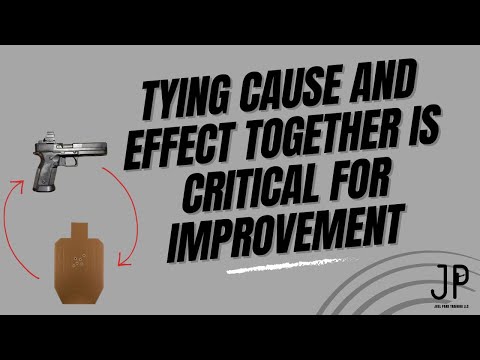
This video provides a technique to improve trigger control for enhanced shooting accuracy. It emphasizes focusing on consistent, rearward pressure on the trigger, allowing the shot to break naturally, and practicing slow, deliberate shots to train the brain on proper trigger manipulation. The instructor highlights that the amount of finger on the trigger is less critical than the quality of pressure applied.


Quick Summary

To fix a trigger finger issue causing shots to go left, focus on applying consistent, steady rearward pressure on the trigger, visualizing it moving towards your nose. Allow the shot to break naturally without anticipation, and practice slow, deliberate shots to train your brain on proper trigger manipulation.

Chapters

  1. 00:00Identifying the Problem: Shot Deviation
  2. 00:08The Role of the Trigger Finger
  3. 00:14One-Handed Shooting Drill Setup
  4. 00:27Stabilizing the Support Hand
  5. 00:44Trigger Finger Placement and Pressure
  6. 00:55Focusing on Accuracy: Smaller Target
  7. 01:11Understanding 'Straight Back' Trigger Pull
  8. 01:23Slow and Steady Trigger Press
  9. 01:41Successful Shot and Reset
  10. 01:53Continuous Practice and Refinement

Frequently Asked Questions

What is the most common cause of a firearm shot going left if the sights are aligned correctly?

If your sights are properly aligned and your shot is still going left, the most common culprit is improper trigger finger manipulation. This involves how you apply pressure to the trigger, rather than necessarily the amount of finger on the trigger itself.

How should I apply pressure to the trigger for better accuracy?

For improved accuracy, focus on applying consistent, steady pressure directly to the rear of the trigger. Visualize this pressure moving towards the tip of your nose. The goal is a smooth, uninterrupted pull that allows the shot to break naturally.

Should I anticipate the trigger break when shooting?

No, you should not anticipate the trigger break. The only thought going through your mind as you pull the trigger should be adding pressure. Allow the firearm to discharge when the desired pressure is achieved, without tensing up.

What is the benefit of practicing with a smaller target and slow rate of fire?

Practicing with a smaller target and a slow rate of fire forces you to be more accurate and deliberate with each shot. This allows you to focus on the fine details of trigger control, sight alignment, and breath control, which are crucial for improving overall marksmanship.

Related News

All News →

More Training & Techniques Videos You Might Like

More from Tactical Rifleman

View all →