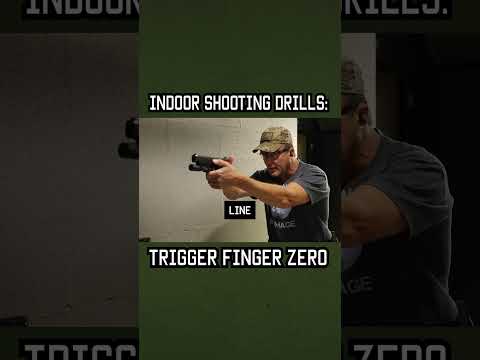
Can Dry Fire Practice Actually Hurt Your Shooting?

Published on June 25, 2026
Duration: 13:06

This content emphasizes that dry fire practice is a critical component of firearm training but can be detrimental if performed incorrectly. The speaker, an experienced firearms instructor, explains that dry fire should replicate live fire conditions as closely as possible, particularly regarding grip pressure, to avoid developing bad habits. The video breaks down effective dry fire into marksmanship, transitions, and movement, highlighting how it allows for focused practice on elements that can be obscured by recoil during live fire. It advises against excessively long dry fire sessions and stresses the importance of intentionality to build good habits.


Quick Summary

Incorrect dry fire practice can indeed hurt your shooting by leading to a 'dry fire grip' that is too loose, failing to replicate live fire conditions. Effective dry fire focuses on marksmanship, transitions, and movement, replicating live fire grip pressure and limiting sessions to avoid fatigue and bad habits.

Chapters

  1. 00:00Listener Question: Dry Fire is Bad?
  2. 00:23The 'Dry Fire Grip' Problem
  3. 00:55What Dry Fire Should Include
  4. 01:15Dry Fire vs. Live Fire Training
  5. 01:41Observing Subtle Errors in Dry Fire
  6. 02:10The Importance of Replicating Live Fire
  7. 02:40Addressing Grip Mutation in Dry Fire
  8. 03:02Training Habits: Good vs. Bad
  9. 03:35The Danger of Fiddling with Unloaded Guns
  10. 03:45Building Consistent Habits
  11. 04:16Dry Fire as Habit Formation
  12. 04:37Incorrect Dry Firing is the Problem
  13. 04:54Replicating Live Fire Issues in Dry Fire
  14. 05:13Grip Consistency in Dry Fire
  15. 05:37Dry Fire Shouldn't Feel 'Too Good'
  16. 05:47New Shooter's Perspective on Dry Fire
  17. 06:06Dry Fire vs. Live Fire: Ammo Conservation
  18. 06:28Testing Dry Fire Skills at the Range
  19. 06:47Identifying Problems Through Live Fire
  20. 07:11Grip Fatigue as a Sign of Incorrect Pressure
  21. 07:33Finesse Over Strength in Grip
  22. 07:40Conclusion: Dry Fire is Essential
  23. 07:45Channel Recommendations

Frequently Asked Questions

Can dry fire practice actually hurt your shooting skills?

Yes, dry fire practice can hurt your shooting if performed incorrectly. The main issue is developing a 'dry fire grip' that is too loose, which doesn't replicate the necessary firm grip for live fire. This leads to inconsistent performance when shooting live ammunition.

What are the key components of effective dry fire training?

Effective dry fire training should focus on marksmanship, transitions, and movement. It's crucial to replicate live fire grip pressure and technique, pay attention to visual cues like sight tracking, and limit sessions to avoid fatigue and bad habit formation.

How can I avoid developing a bad 'dry fire grip'?

To avoid a bad 'dry fire grip,' consciously apply the same firm grip pressure you would use during live fire. Pay attention to how the gun feels in your hands and ensure you're not holding it loosely just because there's no recoil.

Is it possible to train too much with dry fire?

Yes, it's possible to train too much with dry fire. Prolonged sessions, typically over 30 minutes, can lead to hand fatigue and cramping, which can cause you to develop poor habits like a loose grip. It's better to have shorter, focused sessions.

Related News

All News →

More Training & Techniques Videos You Might Like

More from Joel Park

View all →