Do you dry fire? #dryfire

Published on September 25, 2023
Duration: 0:09

This guide details how to improve firearm handling and performance through dedicated dry fire practice, as demonstrated by firearms influencer Alyssa Seymour. It covers techniques for trigger control, drawing, presentation, and recoil management, emphasizing the significant performance gains achievable with consistent dry fire. The instruction is geared towards intermediate shooters looking to enhance their skills on platforms like the Glock 19/17.

Quick Summary

Dry fire practice is essential for improving firearm performance by developing muscle memory for trigger control, sight alignment, and recoil management without live ammunition. Consistent dry fire leads to faster split times and better accuracy, as demonstrated by firearms influencers like Alyssa Seymour. Always ensure the firearm is unloaded before starting any dry fire drills.

Chapters

  1. 00:00Initial Performance Observation
  2. 00:05Post-Dry Fire Performance Improvement

Frequently Asked Questions

What is dry fire and why is it important for shooters?

Dry fire is practicing firearm manipulation and trigger control without live ammunition. It's crucial for developing muscle memory, improving trigger press, sight alignment, and recoil management, leading to better accuracy and faster follow-up shots, as demonstrated in training drills.

How can dry fire practice improve my shooting performance?

Consistent dry fire practice, focusing on smooth trigger control and sight alignment, can significantly reduce split times between shots and enhance recoil management. This leads to noticeable improvements in overall shooting accuracy and speed, as seen in competitive shooters.

What firearm accessories are shown in the video related to dry fire practice?

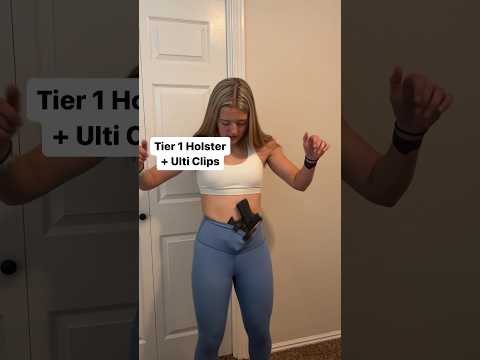
The video showcases a custom Glock-style pistol equipped with a red dot sight (RMR footprint), a weapon-mounted light, and a compensator. A Safariland-style retention OWB holster is also featured for practicing draws.

What safety precautions should be taken during dry fire practice?

The most critical safety precaution is to always ensure the firearm is unloaded and visually/physically cleared before starting. Treat every firearm as loaded, maintain a safe direction, and consider using snap caps to protect the firing pin on certain firearms.

Related News

All News →

More Training & Techniques Videos You Might Like

More from Alyssa Seymour

View all →