Elevate Bipod 2.0 | Bipod Fundamentals

Published on August 23, 2024
Duration: 7:20

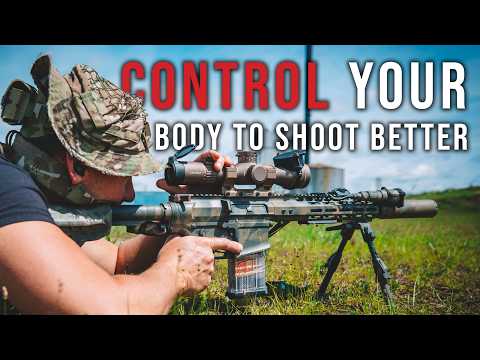
This video covers the fundamentals of shooting off a bipod, emphasizing the importance of stability and recoil management for accuracy. It explains how to properly 'load' the bipod by taking up slack to prevent muzzle rise and point of impact shift. The guide also touches on bipod selection criteria, including height range, canting ability, and leg design, advocating for rubber feet over spike feet for most hunting applications.


Quick Summary

Master bipod shooting fundamentals by understanding 'loading' the bipod, which involves taking up slack to ensure a forward position during firing. This technique, along with proper rifle stability and recoil management, is crucial for achieving accuracy and preventing muzzle rise and point of impact shifts.

Chapters

  1. 00:03Introduction to Bipod Shooting
  2. 00:41Benchrest Principles for Bipod Stability
  3. 01:49Handling Angles and Load on Bipod
  4. 02:06Understanding 'Loading the Bipod'
  5. 02:41Demonstrating Bipod Loading Technique
  6. 03:48Elevate Bipod Features and Selection
  7. 04:02Bipod Height Considerations
  8. 04:30Cant and Pan Functionality
  9. 04:54Why No Pan on Elevate Bipod
  10. 05:30Bipod Feet: Spike vs. Rubber
  11. 05:54Bipod Leg Design Philosophy
  12. 06:15Speed and Ease of Bipod Adjustment
  13. 06:35Quick Height Adjustment
  14. 07:05Advanced Bipod Topics Preview

Frequently Asked Questions

What is the primary benefit of using a bipod for shooting?

A bipod is a valuable tool for achieving stability, especially for shots beyond offhand shooting distances. It helps ensure consistency and repeatability in your shooting platform, leading to improved accuracy and tighter groups downrange.

How should a bipod be 'loaded' for optimal accuracy?

Loading a bipod means taking up the slack by applying slight forward pressure. This ensures the bipod is in a forward position when firing, preventing muzzle rise and point of impact shifts that can occur if the bipod is loaded rearward.

What are key features to consider when choosing a bipod?

Consider height range for different shooting angles, canting ability for quick adjustments, stability from a wider stance, and the type of feet. For most hunters, rubber feet are recommended over spike feet for versatility.

Why is recoil management important when shooting off a bipod?

Inconsistencies in recoil can introduce errors downrange, opening up group sizes. Proper rifle design (like muzzle brakes) and correct bipod loading techniques help mitigate muzzle rise and ensure a more consistent shot-to-shot experience.

More Training & Techniques Videos You Might Like

More from Gunwerks

View all →