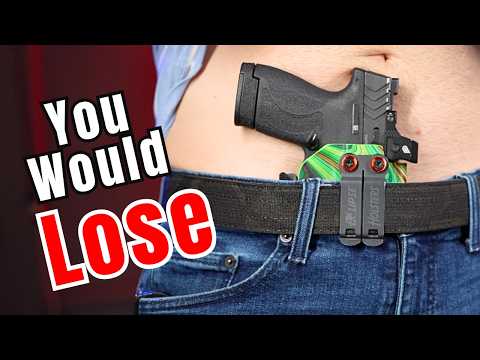
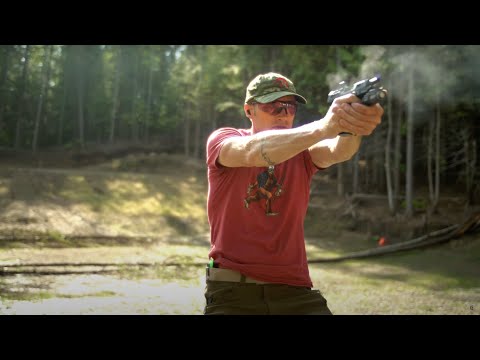
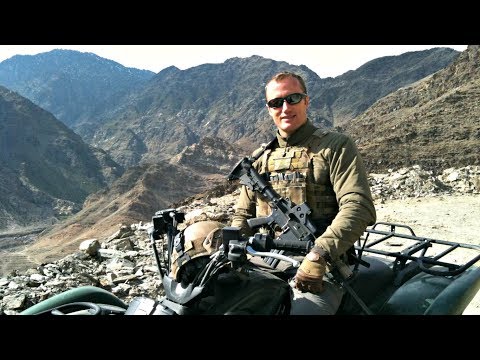
Force on Force with AMTAC Shooting

Published on January 13, 2020
Duration: 12:18

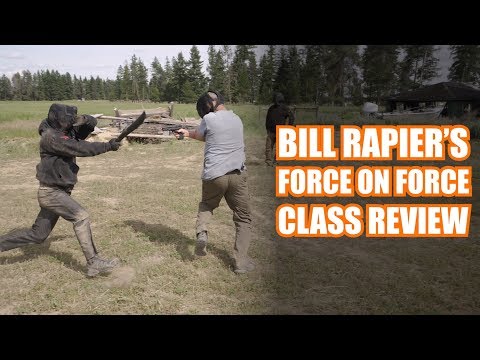
This course review details a comprehensive force-on-force training experience with Bill Rapier of AMTAC Shooting. The curriculum progresses from fundamental pistol skills and diagnostics to advanced techniques like one-handed draws, reloads, retention shooting, and simulated combat scenarios using airsoft. The training emphasizes practical application in realistic, high-stress situations, including blade work and mindset development, preparing individuals for potential self-defense encounters.

Quick Summary

AMTAC Shooting's Force on Force course, led by Bill Rapier, provides realistic self-defense training by progressing from pistol fundamentals to dynamic scenarios. It emphasizes one-handed skills, retention shooting, and simulated combat with airsoft, preparing individuals for real-world interpersonal violence beyond typical range practice.

Chapters

  1. 00:00Introduction
  2. 00:10Course Overview: Force on Force with AMTAC Shooting
  3. 00:55Fundamentals and Diagnostics
  4. 01:20Emphasis on One-Handed Draws
  5. 01:37Reloads and Pistol Characteristics
  6. 02:14Scan and Assess Techniques
  7. 02:23Focus on Realistic Combat
  8. 02:31Retention Shooting
  9. 02:49Transition to Force on Force
  10. 02:59Around the World Drill
  11. 03:11Situational Drills (Day 1)
  12. 03:19AMTAC Cold Board Drill (Day 2)
  13. 03:45One-Handed Shooting and Manipulations
  14. 04:06Mindset Talk
  15. 04:14Blade Education
  16. 04:33Concept of 'Other Strong Hand'
  17. 05:04Knife Work as a Multiplier
  18. 05:17Tactical Hive Mention
  19. 05:34Situational Drills (Day 2)
  20. 05:51Bill Rapier Introduction
  21. 06:36Force on Force Course Details
  22. 06:46Course Structure: Day 1
  23. 07:16Course Structure: Day 2
  24. 07:38Importance of Force on Force Training
  25. 08:11Prerequisites for Force on Force
  26. 09:10AMTAC Shooting Course Offerings
  27. 10:20AMTAC Shooting Website and Sign-ups
  28. 10:34Final Course Assessment
  29. 11:14Practical and Pragmatic Approach
  30. 11:21Recommendation and Support
  31. 11:59Outro

Frequently Asked Questions

What is the primary focus of AMTAC Shooting's Force on Force course?

The primary focus is on realistic self-defense and concealed carry, moving beyond traditional range training to simulate high-stress, interpersonal violence scenarios. It emphasizes practical application of skills in dynamic situations.

What are the key skills developed in the AMTAC Shooting Force on Force course?

Key skills include fundamental pistol proficiency, diagnosing shooting errors, one-handed draws and manipulations, slide lock reloads, retention shooting, scan and assess techniques, and applying these in simulated combat scenarios with airsoft.

What are the prerequisites for attending AMTAC Shooting's Force on Force course?

Prerequisites include being safe with your tools, understanding gun safety rules, safely drawing and reholstering a firearm, and possessing a baseline level of fitness. Prior combatives training is helpful but not required.

How does AMTAC Shooting's Force on Force training differ from standard range practice?

Unlike standard range practice which often focuses on two-handed shooting, AMTAC's Force on Force training incorporates realistic stressors like one-handed shooting, close-quarters engagements, and simulated threats using airsoft to prepare individuals for actual violent encounters.

More Training & Techniques Videos You Might Like

More from Kit Badger

View all →