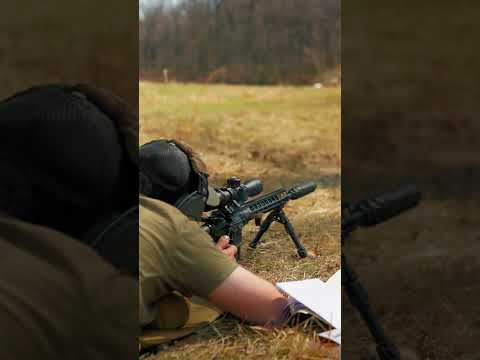
Gas Gun Match Prep Tips

Published on March 15, 2026
Duration: 13:02

This guide outlines essential preparation steps for gas gun precision rifle competitions, drawing from expert instruction. It covers critical aspects like brass preparation using small base sizing, gas system tuning for optimal cycling, and practical shooting drills for various positions. The advice emphasizes building solid support and mastering foundational skills before employing advanced techniques, ensuring shooters can make clean shots from any platform.

Quick Summary

For gas guns, small base sizing brass is crucial for reliable feeding and proper chamber fit. Tuning the gas system involves adjusting the gas block until casings eject slightly forward. Match prep emphasizes efficient movements, stable positions, and clean shots from various platforms, with foundational skills prioritized over advanced techniques.

Chapters

  1. 00:00Introduction & Match Prep Overview
  2. 00:32Importance of Match Prep
  3. 00:57Sponsor: Cole-Tac Revolution Bag
  4. 01:19Small Base Sizing for Gas Guns
  5. 02:08Gas System Check & Adjustment
  6. 03:23100-Yard Warm-up Drill
  7. 03:46Steel Target Prep (Painting)
  8. 04:02Positional Practice (Standing Barricade)
  9. 04:49Positional Practice (Kneeling at Steel)
  10. 05:38Prone Position & Wind Calls (900 Yards)
  11. 06:34900-Yard Data Check (Prone)
  12. 07:19Revisiting Kneeling Position
  13. 07:45Weight Adjustment (MDT Weights)
  14. 08:09Positional Practice with Weights
  15. 09:31Recoil Comparison (With/Without Weights)
  16. 09:54Modified Prone Position
  17. 10:23Key Match Prep Takeaways

Frequently Asked Questions

What is the importance of small base sizing brass for gas guns?

Small base sizing is critical for gas guns to ensure reliable feeding and proper chamber fit. Unlike bolt-action rifles, gas guns cannot force over-expanded brass, making precise sizing essential to prevent malfunctions and ensure consistent cycling.

How do you properly tune a gas gun's gas system for optimal performance?

To tune a gas gun's gas system, start with the gas block on a low setting and incrementally increase it. The optimal setting is achieved when spent casings are ejected slightly forward of the shooter, indicating efficient cycling without excessive gas pressure.

What are key drills for gas gun match preparation?

Essential drills include a 100-yard warm-up focusing on efficient movements and clean shots, positional practice from barricades and kneeling, and engaging long-range targets to confirm ballistic data and wind calls. Building a solid support system is paramount.

Should I add weights to my gas gun for competition?

Adding weights, such as MDT weights, can be experimented with to improve rifle balance and recoil management. While it may enhance handling, the primary focus should remain on mastering foundational shooting techniques and building solid positions.

More Training & Techniques Videos You Might Like

More from Precision Rifle Network

View all →