Gen 6 Glock 17: Stoppages and Why

Published on May 9, 2026
Duration: 1:38

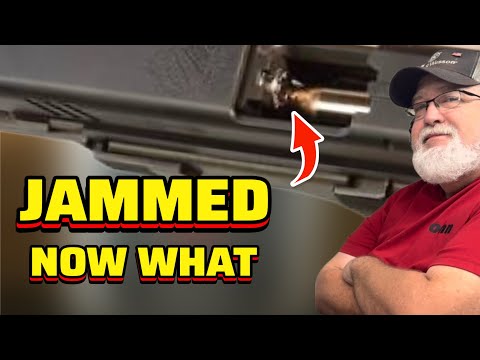
This video details common pistol stoppages encountered with a Gen 6 Glock 17, focusing on failures to eject and extract. The instructor emphasizes that many stoppages, particularly failures to eject, can be self-induced through improper shooting technique, such as inconsistent grip or thumb placement during one-handed shooting. A stuck case failure to extract is also discussed as a legitimate stoppage that can occur and is demonstrated with a simple clearance method.


Quick Summary

Common Glock 17 Gen 6 stoppages include failures to eject and extract. Many failures to eject are shooter-induced, often from improper one-handed shooting technique where the thumb interferes with casing ejection. A stuck case is a legitimate failure to extract that can be cleared with a manual 'hand jam' method.

Chapters

  1. 00:01Introduction to Stoppages
  2. 00:11Failure to Eject (Shooter Induced)
  3. 00:53Failure to Extract (Stuck Case)
  4. 01:14Failure to Go Into Battery (Shooter Induced)

Frequently Asked Questions

What are common stoppages for a Glock 17 Gen 6?

Common stoppages include failures to eject, where a spent casing doesn't clear the action, and failures to extract, often due to a stuck case. Failures to go into battery can also occur if the slide's cycle is impeded.

Can shooting technique cause stoppages in a Glock 17?

Yes, improper shooting technique can cause stoppages. For instance, during one-handed shooting, an improperly positioned thumb can interfere with casing ejection, leading to a failure to eject. Excessive pressure on the slide can also prevent it from going into battery.

How do you clear a stuck case (failure to extract) from a Glock 17?

To clear a stuck case, firmly grip the slide and use a 'hand jam' method. This involves manually manipulating the slide to dislodge and extract the faulty casing from the chamber.

What is a failure to eject and how can it be avoided?

A failure to eject occurs when a spent casing fails to be expelled from the firearm. It can often be avoided by maintaining a firm, consistent grip and proper shooting form, especially when shooting one-handed, to ensure the slide cycles fully and ejects the casing unimpeded.

Related News

All News →

More Training & Techniques Videos You Might Like

More from Regular Guy Training LLC

View all →