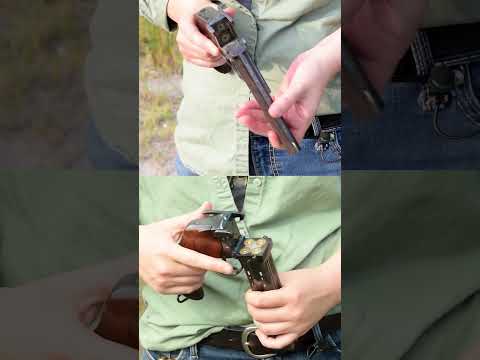
German Anti-Tank Rifle: The T-Gewehr 1918

Published on December 20, 2023
Duration: 1:00

This guide details the firing technique for the Mauser Tankgewehr M1918, emphasizing proper setup and recoil management. Instruction comes from a highly authoritative source specializing in historical firearms research and demonstration, highlighting the rifle's unique challenges.

Quick Summary

The Mauser Tankgewehr M1918 was the world's first dedicated anti-tank rifle, developed by Germany in WWI. Weighing 37.7 lbs and 5.5 ft long, it used a single-shot bolt-action and fired a 13.2x92mmR round with recoil comparable to a .50 BMG. While effective against early tanks, its utility decreased with thicker armor.

Chapters

  1. 00:00Introduction to the T-Gewehr
  2. 00:10Physical Specifications & Action
  3. 00:22Shooting Technique and Recoil
  4. 00:31Ballistics and Myths
  5. 00:40Combat Effectiveness
  6. 00:50Historical Context and Successors

Frequently Asked Questions

What was the Mauser Tankgewehr M1918?

The Mauser Tankgewehr M1918, also known as the T-Gewehr, was the world's first dedicated anti-tank rifle, developed by Germany during World War I to counter early armored vehicles.

What are the key specifications of the T-Gewehr M1918?

The T-Gewehr M1918 weighs approximately 37.7 pounds, measures 5.5 feet in length, and features a single-shot bolt-action mechanism. It fires the powerful 13.2x92mmR cartridge.

How does the recoil of the T-Gewehr M1918 compare to modern firearms?

The recoil generated by the T-Gewehr M1918's 13mm TuF rounds is significant and comparable to that of a modern .50 BMG round, requiring careful technique and physical preparation.

Was the T-Gewehr M1918 effective against tanks?

The T-Gewehr M1918's steel-core bullets could penetrate the armor of early British tanks. However, its effectiveness diminished as tank armor thickness increased later in the war.

More Training & Techniques Videos You Might Like

More from C&Rsenal

View all →