Good Samaritan Shot by Accomplice: First Person Defender|S2 E13

Published on January 15, 2015
Duration: 15:31

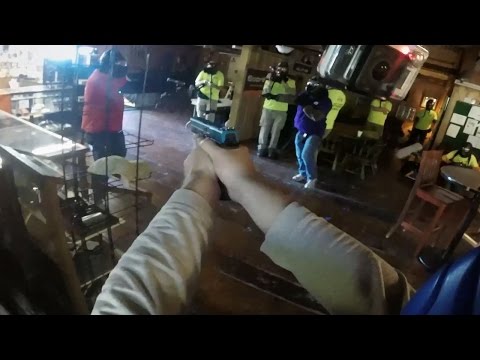
This video demonstrates critical self-defense tactics in a simulated convenience store robbery scenario. Deputy Jordan Ellis learns the importance of comprehensive situational awareness, emphasizing the danger of tunnel vision and the need to scan for multiple threats. The training highlights discreet firearm presentation and tactical movement to avoid becoming an immediate target.

Quick Summary

In force-on-force training, the key takeaway is the critical importance of comprehensive situational awareness. Failing to scan for accomplices, as demonstrated in the scenario, can lead to being surprised and injured by secondary attackers during a robbery. Discreet firearm presentation, avoiding telegraphing actions, is also vital.

Chapters

  1. 00:08Introduction to First Person Defender
  2. 01:11Scenario Setup: Nevada Shooting Inspiration
  3. 01:36Deputy Jordan Ellis Background
  4. 02:36Convenience Store Scenario Briefing
  5. 04:05Robbery Commences
  6. 06:02Post-Scenario Debrief: First Attack
  7. 06:36Analysis of Mistakes: Lack of Scanning
  8. 07:04Importance of Checking Surroundings
  9. 07:56Training Drill: Discreet Draw Technique
  10. 10:26Debrief: Discreet Draw Effectiveness
  11. 12:04Second Scenario Setup
  12. 12:47Second Robbery Scenario
  13. 13:26Post-Scenario Debrief: Second Attack
  14. 14:03Analysis of Good Tactics: Heads-Up Scanning
  15. 14:28Value of Force-on-Force Training
  16. 14:48Conclusion and Performance Review

Frequently Asked Questions

What is the primary lesson learned from the first scenario in this training video?

The primary lesson is the critical importance of comprehensive situational awareness. Failing to scan for accomplices, as Deputy Jordan Ellis did, can lead to being surprised and injured by secondary attackers during a robbery.

How should one present a firearm discreetly during a self-defense situation?

Discreet firearm presentation involves keeping movements below the chest and avoiding telegraphing your actions. Minimize visible cues like raised shoulders and elbows to avoid becoming an immediate target for attackers.

What is force-on-force training and why is it valuable?

Force-on-force training uses simunitions, a non-lethal training ammunition, to simulate real-world scenarios. It's valuable for practicing tactics, decision-making, and stress inoculation in a safe, realistic environment.

What are common tactics used by robbers in convenience store scenarios?

Robbers often work in packs, with one individual posing as a customer while another initiates the crime. It's essential to identify all individuals present and assess their potential roles as threats.

More Training & Techniques Videos You Might Like

More from Gun Talk Media

View all →