Gun Safety For the New Gun Owner

Published on March 24, 2020
Duration: 53:29

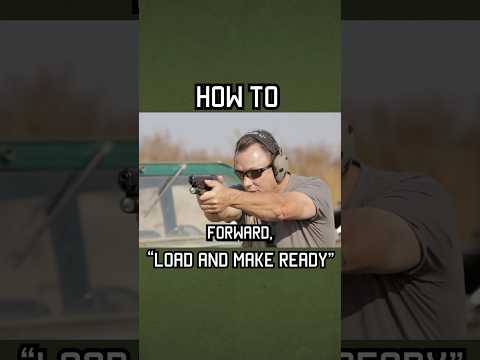
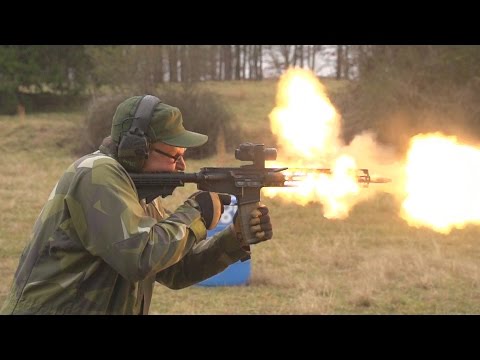
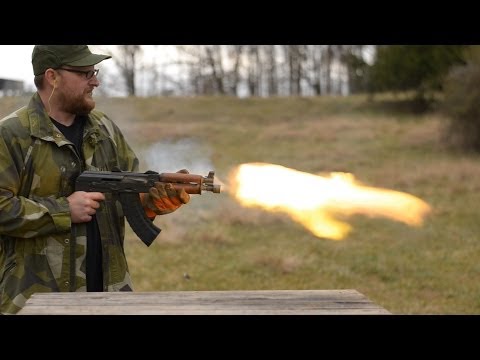
This guide covers the fundamental rules of firearm safety and basic operation for common firearm types, including striker-fired pistols, revolvers, 1911s, pump-action shotguns, and AR-15/AK-47 platforms. Instruction is provided by Eric, a firearms expert, emphasizing a serious and welcoming approach for new gun owners. Key safety rules and clearing procedures for each firearm type are demonstrated.

Quick Summary

The four fundamental rules of gun safety are: 1. Treat all guns as if they are always loaded. 2. Never let the muzzle cover anything you are not willing to destroy. 3. Keep your finger off the trigger until your sights are on target and you have made the decision to shoot. 4. Be sure of your target and what lies beyond it. These rules are paramount for safe firearm handling.

Chapters

  1. 00:00Introduction for New Gun Owners
  2. 01:54The Four Basic Rules of Gun Safety
  3. 07:24Handgun Operation: Glock (Striker-Fired)
  4. 10:01Handgun Operation: Revolvers
  5. 13:01Handgun Operation: 1911 (Single-Action)
  6. 16:12Shotgun Operation and Ammo Choice
  7. 18:47Rifle Operation: AK-47 and AR-15
  8. 25:57Conclusion and Responsibility

Frequently Asked Questions

What are the four basic rules of gun safety?

The four basic rules of gun safety are: 1. Treat all guns as if they are always loaded. 2. Never let the muzzle cover anything you are not willing to destroy. 3. Keep your finger off the trigger until your sights are on target and you have made the decision to shoot. 4. Be sure of your target and what lies beyond it.

How do you safely clear a Glock 45 pistol?

To safely clear a Glock 45, first remove the magazine. Then, lock the slide to the rear. Visually and physically inspect the chamber to ensure it is empty. A 'push-pull' technique can assist those with less hand strength in manipulating the slide.

What type of ammunition is recommended for home defense, and why?

For home defense, #4 buckshot is often recommended over slugs in high-density areas. This is because #4 buckshot poses less risk of over-penetration through walls compared to slugs, enhancing safety for others in the vicinity.

What is the difference between single-action and striker-fired pistols?

Single-action pistols, like the 1911, require the hammer to be cocked before the trigger can fire the weapon. Striker-fired pistols, like the Glock, use a spring-loaded striker that is released by the trigger pull, often without an external hammer.

Related News

All News →

More Training & Techniques Videos You Might Like

More from Iraqveteran8888

View all →