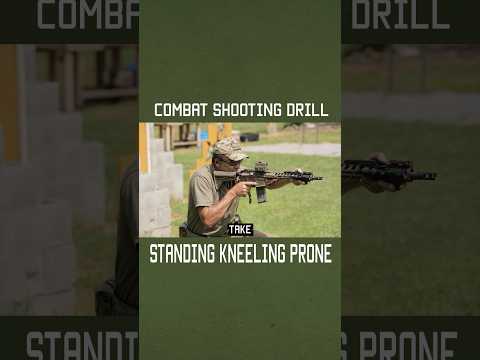
High Ready or Low Ready: Pros and Cons #military

Published on June 8, 2023
Duration: 1:00

This guide details the tactical advantages and disadvantages of the High Ready and Low Ready firearm positions, as demonstrated by a Tactical Hyve instructor. High Ready offers better weapon control for reloads and stoppages within the 'workspace' but can increase fatigue and flagging risk. Low Ready allows faster target acquisition and less fatigue but poses a greater risk of flagging teammates.

Quick Summary

The Tactical Hyve instructor explains that Low Ready offers faster target acquisition and less fatigue but risks flagging teammates. High Ready keeps the rifle in the 'workspace' for efficient reloads and stoppages, but increases fatigue and flagging risks due to height differences.

Chapters

  1. 00:00Introduction: High vs. Low Ready
  2. 00:05Low Ready: Advantages & Disadvantages
  3. 00:15Low Ready: Fatigue Management
  4. 00:25Low Ready: Flagging Risks
  5. 00:30High Ready: Workspace Advantages
  6. 00:36High Ready: Tactical Utility
  7. 00:48High Ready: Disadvantages

Frequently Asked Questions

What are the main advantages of the low ready rifle position?

The low ready position allows for faster target acquisition and an easier transition from a relaxed state to a firing position. It is also less fatiguing, enabling a shooter to maintain readiness for extended periods without significant strain.

What are the primary disadvantages of the high ready rifle stance?

The main disadvantages of the high ready stance include increased fatigue due to maintaining an elevated weapon, slower presentation compared to low ready, and a higher risk of flagging teammates, especially when there are significant height differences.

How does the 'workspace' concept apply to the high ready position?

In the high ready position, the weapon is kept within the shooter's 'workspace,' which is the immediate area around their body. This proximity facilitates quicker reloads, faster clearing of malfunctions or stoppages, and overall more efficient weapon manipulation.

What safety concerns are associated with the low ready position?

The primary safety concern with the low ready position is the increased likelihood of 'flagging' a teammate's lower body. This occurs when the muzzle is inadvertently pointed towards another person's legs or feet during movement or transitions.

Related News

All News →

More Training & Techniques Videos You Might Like

More from Tactical Hyve

View all →