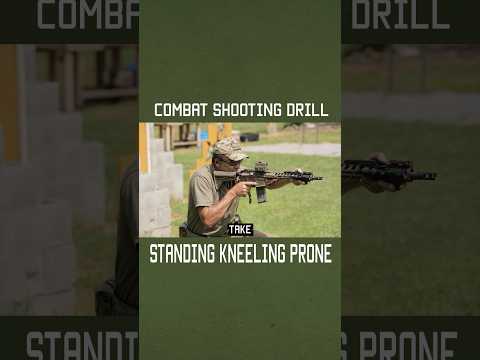
High Ready or Low Ready: Pros and Cons #military

Published on June 8, 2023
Duration: 1:00

This video compares the high ready and low ready firearm positions, detailing their pros and cons for tactical situations. Low ready offers faster target acquisition and less fatigue but risks flagging teammates. High ready excels at facilitating reloads and stoppages within the weapon's workspace but can be more fatiguing and present flagging issues with varying personnel heights.

Quick Summary

Low ready offers faster target acquisition and less fatigue, ideal for extended readiness. However, it risks flagging teammates' legs. High ready keeps the weapon in the workspace for quicker reloads and stoppages, but can be more fatiguing and poses flagging risks with varying personnel heights.

Chapters

  1. 00:00Introduction: High vs Low Ready
  2. 00:05Low Ready Advantages & Fatigue
  3. 00:25Low Ready Disadvantages: Flagging Risk
  4. 00:30High Ready Advantages: Workspace & Reloads
  5. 00:36High Ready Tactical Utility
  6. 00:48High Ready Disadvantages & Fatigue

Frequently Asked Questions

What are the main advantages of the low ready shooting position?

The low ready position offers faster target acquisition and allows for an easier transition from a relaxed state to a firing stance. It is also less fatiguing, making it suitable for maintaining readiness over extended periods.

What are the key benefits of using the high ready position with a rifle?

High ready keeps the rifle within the shooter's 'workspace,' which speeds up reloads and clearing malfunctions. It also allows for muzzle strikes and uses the muzzle as a visual guide when presenting to the target.

What are the primary safety concerns with low ready and high ready stances?

The main safety concern with low ready is the risk of flagging a teammate's lower body. High ready carries flagging risks due to potential height differences between personnel and requires careful muzzle awareness.

How does fatigue factor into choosing between high and low ready?

Low ready is generally less fatiguing than high ready, making it a better choice for prolonged periods of standing by or observation. High ready requires more muscular effort to maintain, leading to quicker fatigue.

More Training & Techniques Videos You Might Like

More from Tactical Hyve

View all →