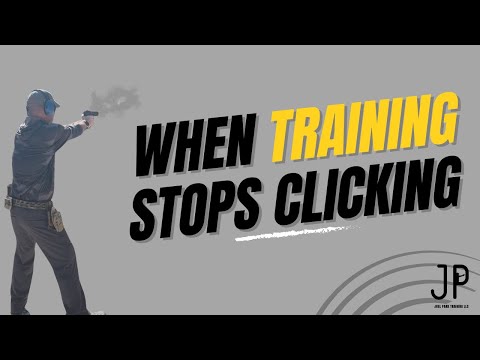
How I Train for IDPA Competition Matches Indoors — My Range Routine!

Published on November 3, 2025
Duration: 26:55

This video details a comprehensive training routine for IDPA competition, blending dry fire at home with live fire at the range. The instructor emphasizes consistent trigger control, grip, sight alignment, and efficient holster draws and reloads. The routine includes practicing malfunction clearances and simulating competition scenarios with gear like a vest, aiming to train as one performs.


Quick Summary

An effective IDPA training routine combines consistent dry firing at home for trigger control and grip with live fire at the range. Key elements include practicing smooth holster draws, efficient reloads, and clearing malfunctions. Training with competition gear like a vest helps simulate match conditions for optimal performance.

Chapters

  1. 00:00Introduction to Range Training
  2. 00:11Dry Firing and Trigger Familiarization
  3. 00:40Firearm Check and Functionality
  4. 01:02Grip, Trigger Pull, and Sight Alignment Practice
  5. 01:48Holster Draw Practice
  6. 02:30Drawing Without Magazines
  7. 03:10Practicing Draws with a Timer (Mental)
  8. 03:37Clean Draw Stroke Technique
  9. 03:58IDPA Routine: Move, Grab, Push Out
  10. 04:40Reload Practice Setup
  11. 04:52Simulating Magazine Changes
  12. 05:10Mags in Pouches and Reload Drill
  13. 05:41Improving Reload Speed and Efficiency
  14. 06:10Glock 19X Magazine Release Nuances
  15. 06:37Addressing Grip Issues During Reloads
  16. 07:05Focusing on Reload Consistency
  17. 08:01Reloading Without Looking
  18. 08:19Transitioning to Live Fire
  19. 08:34First Live Fire Shots at 7 Yards
  20. 09:04Simulating Start of a Stage
  21. 09:14Single Shot from Draw
  22. 09:38Ammunition Disclaimer and Malfunction Practice
  23. 10:32Identifying Light Primer Strikes
  24. 11:06Second Set of Live Fire Shots
  25. 11:48Grip Issues Affecting Shot Accuracy
  26. 12:06Importance of Consistency in Shooting
  27. 12:37Working on Slide Lock Reloads
  28. 13:17Slide Lock Reload vs. Traditional Reload
  29. 13:56Practicing Slide Lock Drop Reloads
  30. 14:32Another Light Primer Strike
  31. 14:46Malfunction Clearing Demonstration
  32. 15:08Slide Drop Performance
  33. 15:14Ammunition Quality Concerns
  34. 16:10Grip After Slide Drop
  35. 17:06Slide Not Locking Back Issues
  36. 17:38Mental Focus During Malfunctions
  37. 18:15Improving Support Hand Placement After Slide Drop
  38. 18:37Demonstrating Malfunction Clearing (Attempt)
  39. 19:00Incorrect Malfunction Clearing Sequence
  40. 19:27Successful Reload Sequence
  41. 20:00Support Hand Placement Strategy
  42. 20:10Accessory for Slide Lock Drop Assistance
  43. 20:30Continued Slide Lock Issues
  44. 21:27Double Tap Drills
  45. 21:37Transition Drills (Dry Fire/Live Fire)
  46. 22:01Malfunction During Double Tap
  47. 22:38Typical Competition Shot Count
  48. 22:55Live Fire Reload Practice
  49. 23:49Reloads with Live Fire
  50. 24:25Final Reload Practice
  51. 24:36Impact of Timers on Training
  52. 25:10Summary: Dry Fire at Home
  53. 25:44Summary: Holster Draw Practice
  54. 26:00Summary: Train as You Perform
  55. 26:09Summary: Live Fire at the Range
  56. 26:34Concluding Remarks and Safety

Frequently Asked Questions

What are the key components of an IDPA competition training routine?

An effective IDPA training routine includes consistent dry firing at home for trigger control and grip, followed by live fire at the range. This involves practicing holster draws, smooth reloads, malfunction clearances, and simulating competition scenarios with appropriate gear like a vest.

How can I improve my trigger control for competitive shooting?

Daily dry fire practice is essential. Focus on achieving a firm grip, identifying the trigger's wall, and executing a slow, steady pull without dipping the muzzle. Understanding and feeling the trigger reset is also critical for follow-up shots.

What are common issues when reloading a Glock 19X, and how can they be addressed?

The Glock 19X magazine release may require a straight upward pull. Issues like the ring finger pressing the opposite side's mag release can prevent drops. Consistent practice, ensuring a straight release and insertion, and addressing grip issues are key to smooth reloads.

Why is it important to practice malfunction clearances in firearm training?

Practicing malfunction clearances, such as light primer strikes, is vital because these can occur during competition. Knowing how to efficiently clear a malfunction and get back on target quickly can save valuable time and maintain your score.

What is the benefit of training with competition gear like a vest?

Training with your competition gear, like a vest, helps you simulate the actual conditions you'll face in a match. This allows you to practice drawing your firearm around the vest and identify any potential interference, ensuring a smoother performance on competition day.

More Training & Techniques Videos You Might Like

More from Summer Shoots

View all →