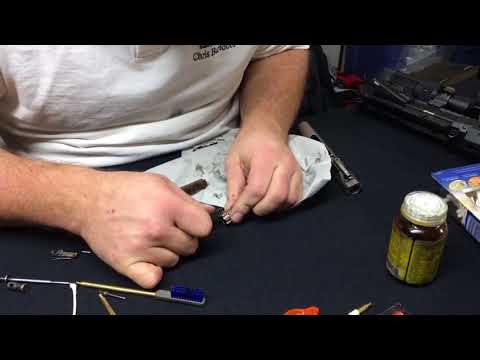
How to Clean an AR Rifle | Tactical Rifleman

Published on December 31, 2021
Duration: 46:56

This guide details how to clean an AR-15/M4/M16 rifle, emphasizing that while these rifles are robust and tolerate some neglect, regular cleaning is essential. Key areas to focus on include the bolt carrier group, chamber, and barrel. The instructor highlights the importance of inspecting critical components like bolt lugs and gas rings, and advises against over-cleaning parts that can lead to wear or out-of-tolerance issues. Proper lubrication of the bolt carrier group is stressed for reliable function.


Quick Summary

For AR-15 reliability, focus cleaning on the bolt carrier group's interior and the chamber, especially the locking lugs. Avoid over-cleaning or aggressive scrubbing, which can damage parts. Proper lubrication of the bolt carrier group is essential for consistent function.

Chapters

  1. 00:12Introduction: Cleaning the AR Family
  2. 00:17Sponsor: Sonoran Desert Institute (SDI)
  3. 01:19Why Clean Your AR Rifle?
  4. 03:03Initial Disassembly: Upper and Lower Receivers
  5. 03:46Inspecting the Buffer and Spring
  6. 06:07Inspecting the Lower Receiver and Trigger Mechanism
  7. 07:30Cleaning Accessories: Flashlight Example
  8. 08:56Cleaning the Charging Handle
  9. 09:59Cleaning Methods: Physical vs. Chemical
  10. 10:38Understanding Break-Free CLP
  11. 12:02Using a Sonic Cleaner
  12. 12:47Disassembling the Bolt Carrier Group
  13. 15:40Cleaning the Bolt Carrier Group (Post-Sonic Cleaner)
  14. 16:41Critical Areas of the Bolt Carrier Group
  15. 19:11Caution Against Over-Cleaning
  16. 20:00Inspecting the Bolt
  17. 21:48Inspecting the Gas Rings
  18. 22:56Inspecting the Bolt Face and Extractor Area
  19. 25:18Cleaning and Inspecting the Extractor
  20. 26:15Reassembling the Bolt Carrier Group
  21. 32:15Cleaning the Barrel and Chamber
  22. 32:50Using a Digital Borescope
  23. 35:34Barrel Cleaning Technique
  24. 38:43Cleaning the Chamber Last
  25. 39:04Detailed Chamber Cleaning
  26. 40:00Cleaning the Upper Receiver Interior
  27. 41:23Using a Chamber Brush
  28. 42:49Final Lubrication and Reassembly
  29. 44:00Lubricating the Bolt Carrier Group
  30. 45:13Key Takeaways: Inspect, Don't Over-Clean, Lubricate
  31. 45:49Outro and Thanks

Frequently Asked Questions

What are the most critical parts of an AR-15 to clean for reliability?

For an AR-15's reliability, the most critical parts to clean are the inside of the bolt carrier group's tube and the chamber. These areas are directly involved in the gas impingement system and the locking mechanism, ensuring the rifle cycles correctly.

Can I over-clean my AR-15, and what are the risks?

Yes, you can over-clean an AR-15. Aggressively scrubbing parts or using metal brushes can remove protective coatings and alter critical tolerances, potentially leading to malfunctions or premature wear. Focus on essential areas and avoid excessive polishing.

What is the role of the buffer and buffer spring in an AR-15?

The buffer and buffer spring in an AR-15 help regulate the bolt carrier group's speed and travel. They absorb recoil and control the cycling rate. A compromised buffer system, like a loose roll pin, can cause the rifle to jam.

How often should I clean my AR-15?

While AR-15s are robust and can tolerate some neglect, regular cleaning is recommended. The frequency depends on usage, but it's crucial to clean after heavy use, exposure to harsh elements, or if malfunctions occur. The instructor notes he doesn't clean his often but stresses the importance of doing it thoroughly when needed.

What are the key inspection points on an AR-15 bolt carrier group?

Key inspection points on the bolt carrier group include the bolt lugs for cracks, the gas rings for proper alignment (gaps should not line up), and the gas key for staking and absence of wiggle. These components are vital for the rifle's function and reliability.

More Training & Techniques Videos You Might Like

More from Tactical Rifleman

View all →