How to Know When You’re Shooting Too Fast

Published on May 26, 2026
Duration: 11:14

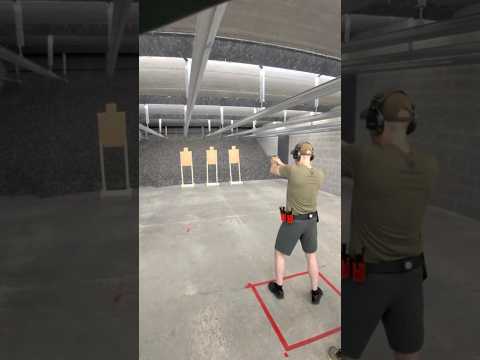
This guide addresses the common challenge of maintaining accuracy while increasing shooting speed. Instructor Joel Park emphasizes that simply going faster or slower isn't always the solution. The key is to train at a speed that is 'slightly uncomfortable' and allows for articulation of what's happening with each shot. If accuracy suffers and the shooter cannot identify the cause, establishing fundamental ground rules through dry fire and micro-drills is crucial before attempting to increase speed again. The focus should be on the process of shooting, not just the final time.


Quick Summary

To know if you're shooting too fast, assess if you're consistently missing the 'A' zone and can't articulate the cause. Train at a speed that's slightly uncomfortable but allows for diagnosis. If you can't identify issues, establish foundational skills through dry fire and micro-drills before increasing speed.

Chapters

  1. 00:00Listener Question: Speed vs. Accuracy
  2. 00:38The Problem: Missing the A-Zone at Speed
  3. 00:54Defining the Drill: Bill Drill at 7 Yards
  4. 01:32Critique of Slowing Down to Improve
  5. 02:03The Importance of Articulating Issues
  6. 02:46Analyzing Sight Acquisition
  7. 03:26Addressing Input Problems (Trigger Press)
  8. 04:05Focusing on Specific Issues (e.g., Hand Clamping)
  9. 04:28Staying Target Focused vs. Sight Focused
  10. 04:57Essential Dry Fire Training: Draw to Sight
  11. 05:38Micro-Drills for Specific Skills
  12. 05:56Process vs. Outcome in Training
  13. 06:37Final Thoughts & Ground Rules

Frequently Asked Questions

How do I know if I'm shooting too fast?

You're likely shooting too fast if you're consistently missing the 'A' zone on drills, especially if you can't articulate why your shots are going off-target. If your speed is so high that you're just 'taking inventory' of hits afterward, you're not learning effectively.

Should I slow down my shooting drills to improve accuracy?

Not necessarily. While slowing down can help identify issues, the goal is to train at a speed that's 'slightly uncomfortable' but allows you to understand your inputs. If your current speed is too fast to diagnose problems, establish foundational skills like sight acquisition through dry fire before increasing speed again.

What are the key fundamentals to practice for faster, accurate shooting?

Focus on sight acquisition during your draw (aim for 1-1.2 seconds to sight picture), proper trigger control to avoid disturbing the sights, and staying target-focused. Dry fire practice is crucial for mastering these fundamentals without expending ammunition.

How can I improve my accuracy on drills like the Bill Drill?

If you can articulate the specific problem (e.g., hand clamping, staring at sights), continue training at your current speed but focus your attention on correcting that issue. If you can't articulate the problem, establish ground rules through dry fire and micro-drills to build foundational skills first.

More Training & Techniques Videos You Might Like

More from Joel Park

View all →