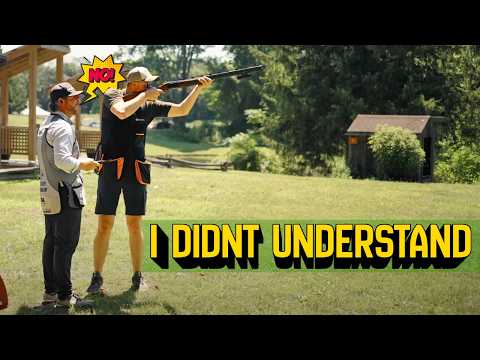
How to Shoot Trap | Shotgun Tips with Gil Ash

This guide breaks down essential trap shooting techniques as explained by expert Gil Ash of OSP Shooting School. It emphasizes the critical difference between rifle aiming and shotgun movement, focusing on eye discipline, proper focal points beyond the trap house, and understanding station-specific hold points to improve target acquisition and consistency.


Quick Summary

Master trap shooting by separating eye focus from gun movement. Concentrate intensely on the target's rings and focus beyond the trap house, not on it. Trust your hands to follow your eyes, and adjust station-specific hold points to prevent visual obstruction for consistent target acquisition.

Chapters

  1. 00:00Introduction to Trap Shooting
  2. 00:48Eyes vs. Gun Movement
  3. 02:38Trap Field Layout
  4. 04:00Focal Points Strategy
  5. 07:11Station-Specific Focal Points
  6. 11:14Hold Points and Visual Confusion

Frequently Asked Questions

What is the most important principle in trap shooting?

The most crucial principle in trap shooting is separating your eye focus from your gun movement. Instead of aiming the gun like a rifle, you should focus intensely on the target's flight path, allowing your hands and the gun to naturally follow your eyes.

Where should a trap shooter focus their eyes?

Trap shooters should focus intensely on the target's rings as it flies. Crucially, they should establish a focal point on the ground well beyond the trap house, rather than focusing on the trap house itself, to improve reaction time.

How do hold points differ in trap shooting?

Hold points, the initial position of the shotgun before the target is called, vary by station. For stations 4 and 5, the gun should be held further right and lower to prevent the barrel from obstructing the shooter's view of the clay target.

Why is it important not to aim the shotgun like a rifle in trap shooting?

Trap shooting is a dynamic sport of movement and focus, unlike static rifle aiming. Trying to aim the gun itself leads to jerky movements and poor timing, whereas focusing on the target allows for smoother, more natural gun tracking.

More Training & Techniques Videos You Might Like

More from NSSF—The Firearm Industry Trade Association

View all →