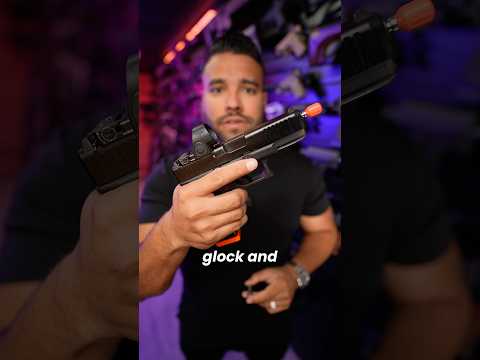
How To Train At Home With Your Gun (Dry Fire Drills)

Published on November 18, 2021
Duration: 7:57

This guide details how to safely and effectively train at home using dry fire drills, as demonstrated by former law enforcement officer Chip Eberhart. It emphasizes the importance of adhering to firearm safety rules, mastering proper grip and trigger control techniques, and using visual cues to diagnose and correct shooting errors. Dry fire practice is presented as an efficient method to increase repetitions and improve marksmanship without live ammunition.

Quick Summary

Dry fire training is an efficient way to practice firearm skills at home, focusing on grip, trigger control, and sight alignment. Always adhere to firearm safety rules, and use tools like a SIRT pistol or an unloaded firearm. Master the 'prep, break, reset' trigger technique and observe sight movement to diagnose and correct errors.

Chapters

  1. 00:00Introduction: Dry Fire Training Necessity
  2. 00:45Benefits of Dry Fire Practice
  3. 00:53Dry Fire Training Tools: SIRT Pistol
  4. 01:30Firearm Safety Rules (Dry Fire)
  5. 02:54Marksmanship: Proper Grip
  6. 03:51Marksmanship: Thumb Placement
  7. 04:21Marksmanship: Stance vs. Grip/Trigger Control
  8. 05:17Marksmanship: Trigger Control
  9. 06:01Dry Fire Drills: Plain White Wall
  10. 06:42Diagnosing Trigger Control Issues
  11. 07:16Conclusion & Resources

Frequently Asked Questions

What are the key benefits of dry fire training for gun owners?

Dry fire training is highly efficient, allowing for numerous repetitions to build muscle memory without the cost and time commitment of going to a shooting range. It's an excellent way to practice grip, trigger control, and sight alignment in a safe, controlled environment at home.

How can I ensure safety during dry fire practice at home?

Always follow the four fundamental firearm safety rules: treat all guns as loaded, keep your finger off the trigger until ready to fire, never point at anything you're not willing to destroy, and be aware of your target and beyond. Double-check that your firearm is unloaded before starting.

What is the 'prep, break, reset' trigger control technique?

This technique involves 'prepping' the trigger by taking up the slack, 'breaking' the shot by continuing to press smoothly, and then 'resetting' the trigger by releasing it just enough to feel the click. This allows for faster, more accurate follow-up shots.

What tools can I use for effective dry fire practice?

You can use your own firearm (ensured to be unloaded) or a specialized training tool like the SIRT pistol. The SIRT pistol features a shot-indicating laser and a resetting trigger, mimicking the feel and function of real firearms for multiple repetitions.

Related News

All News →

More Training & Techniques Videos You Might Like

More from USCCA

View all →