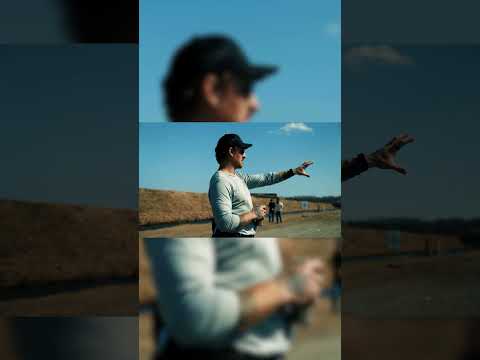
How to use modified prone

Published on November 24, 2025
Duration: 0:29

This guide details the modified prone shooting position, emphasizing its superior stability and consistency over standard crouching. Instruction from Tenicor highlights the importance of structural support for both the shooter and the firearm to prevent fatigue and maintain accuracy during extended shooting sessions. The technique is particularly effective for mid-height barricade engagements.

Quick Summary

The modified prone shooting position enhances stability and reduces fatigue by using a wide-legged stance supported by a barricade. This technique provides superior durability and consistency compared to standard crouching, which leads to muscle fatigue and shaking, making it ideal for extended shooting sessions.

Chapters

  1. 00:00The Problem with Unstable Positions
  2. 00:08Building a Stable Structure
  3. 00:14Durability and Consistency

Frequently Asked Questions

What is the main benefit of the modified prone shooting position?

The primary benefit of the modified prone position is enhanced stability and reduced shooter fatigue. By utilizing structural support for both the body and firearm, it allows for consistent accuracy over extended periods, unlike standard crouching which leads to muscle fatigue and shaking.

How does the modified prone position improve shooting consistency?

The modified prone position improves consistency by providing a stable platform. A wide-legged, sprawled stance supported by a barricade or structure minimizes body movement and recoil impact, allowing the shooter to maintain a more precise sight picture and trigger control.

What kind of support is needed for the modified prone position?

The modified prone position requires a mid-height barricade or structural support that can bear the weight of both the shooter and the firearm. This support is crucial for establishing the stable base needed to maintain the position effectively.

When is the modified prone position most effective?

The modified prone position is most effective for mid-height barricade shooting and situations where prolonged stability is required. It's a superior alternative to standard crouching, especially when fatigue is a concern and consistent accuracy is paramount.

Related News

All News →

More Training & Techniques Videos You Might Like

More from Tenicor

View all →