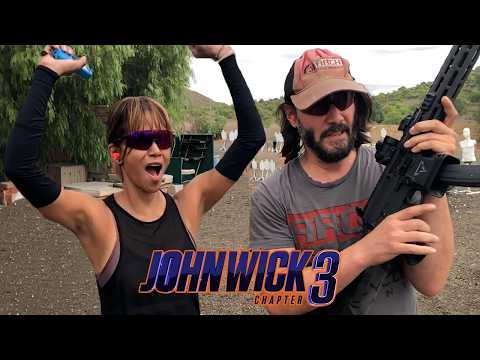
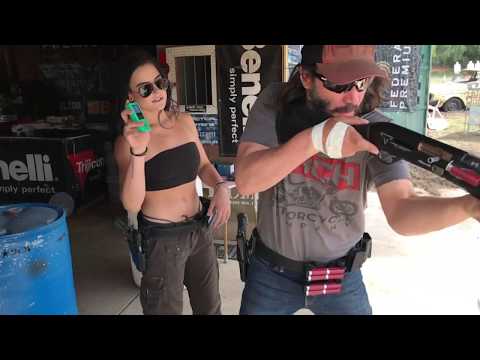
Instructional tips from Mike Pannone on conceal carry💥

Published on July 29, 2021
Duration: 11:08

Mike Pannone, a recognized expert, details efficient concealed carry draw and reholster techniques. Key principles include maintaining garment control until firearm control is established, utilizing natural body mechanics, and avoiding common mistakes like snagging the garment. The instruction emphasizes efficiency over raw speed, with the goal of seamless transitions between movements. Pannone also touches on engaging threats at close range, stressing the importance of creating distance or disorientation before attempting a draw.

Quick Summary

Mike Pannone emphasizes that for a concealed carry draw, maintaining positive control of your garment until you have positive control of the firearm is crucial. This prevents fumbling and ensures a smooth presentation. Efficiency in movement, not just trigger speed, is key to effective shooting, with seamless transitions between actions leading to true speed.

Chapters

  1. 00:00Concealed Carry Draw Fundamentals
  2. 00:21Drawing Technique: Garment Clear & Grip
  3. 00:50Holstering Technique
  4. 01:31Efficiency in Shooting
  5. 02:20Correcting Draw Mistakes
  6. 03:16Close Quarters & Reactionary Gap
  7. 03:40Creating Space to Draw (Combatives)
  8. 05:32Engagement Philosophy: Stopping the Threat
  9. 06:14Headshots as Last Resort
  10. 07:26Student Practice & Performance
  11. 10:25Telegraphing Draw & Deception

Frequently Asked Questions

What is the most important principle for a concealed carry draw?

The most crucial principle for a concealed carry draw is to maintain positive control of your garment until you have positive control of the firearm. This prevents fumbling and ensures a smooth, efficient presentation of your weapon.

How can I avoid snagging my garment during a draw?

To avoid snagging, ensure your thumb is on the opposite side of the garment from your fingers when reaching for your firearm. Use a natural bicep curl motion to lift the garment, clearing the gun effectively.

What should I do if I'm too close to an attacker to draw my firearm?

If you are within the 'reactionary gap' and an opponent can pin your hands, you may need to engage in hand-to-hand combat to create distance or use a surprise tactic like a 'surrender' gesture followed by a strike to disorient them before attempting a draw.

Is speed or efficiency more important in a firearm draw?

Efficiency is paramount. Speed in a firearm draw is a byproduct of efficient movement, not faster trigger pulling. Eliminating unnecessary motion and ensuring seamless transitions between actions leads to true speed.

Related News

All News →

More Training & Techniques Videos You Might Like

More from Taran Tactical

View all →