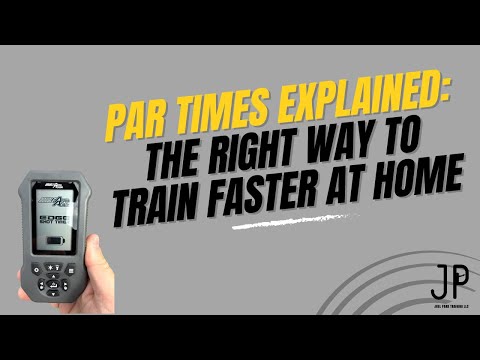
Introducing the Shot Timer: Into the Fray Episode 75

Published on August 17, 2015
Duration: 4:29

This video by Kevin Mikolowski, editor of Concealed Carry Magazine, introduces the importance of using a shot timer for firearm training. He defines 'performance' as executing necessary functions like drawing and firing, and 'outcome' as the measurement of that performance. The drill demonstrated involves drawing and firing one shot on target at 10 yards within 2 seconds, emphasizing perfect execution of functions over speed initially. The shot timer is presented as a tool to add controlled stress and measure improvement.

Quick Summary

Using a shot timer for firearm training helps measure performance by timing the execution of necessary functions like drawing and firing. Focus on perfect execution first, then use the timer's outcome data to track improvement and add controlled stress to your practice.

Chapters

  1. 00:00Introduction to Shot Timers
  2. 00:15Defining Performance and Outcome
  3. 01:12Using a Standard Shot Timer
  4. 01:44The Draw and Fire Drill
  5. 02:00Executing the Drill Functions
  6. 02:13Shot Timer Stress vs. Real Stress
  7. 02:40Drill Sequence Explained
  8. 03:04First Drill Attempt and Result
  9. 03:13Focusing on Perfect Performance
  10. 03:48Second Drill Attempt
  11. 03:59Third Drill Attempt and Improvement
  12. 04:12Conclusion and Call to Action

Frequently Asked Questions

What is the difference between performance and outcome in firearm training?

Performance refers to the execution of the necessary physical actions, like drawing and firing a firearm. Outcome is the measurement of that performance, such as the time recorded by a shot timer or the accuracy of the shot.

How can a shot timer be used effectively for solo firearm training?

A shot timer allows you to train alone by providing an audible cue to start shooting and another to stop. You can then review the timer's reading to objectively measure your performance and track improvement over time.

What is the recommended initial focus when using a shot timer for drills?

When first using a shot timer, the primary focus should be on performing all the necessary functions of the drill perfectly. Speed and outcome measurements are secondary to ensuring correct technique and execution.

Does shot timer stress simulate real-world deadly force stress?

No, the stress induced by a shot timer is significantly less intense than the stress experienced during a real deadly force encounter. While useful for training, it does not fully replicate the physiological and psychological effects of a life-threatening situation.

Related News

All News →

More Training & Techniques Videos You Might Like

More from USCCA

View all →