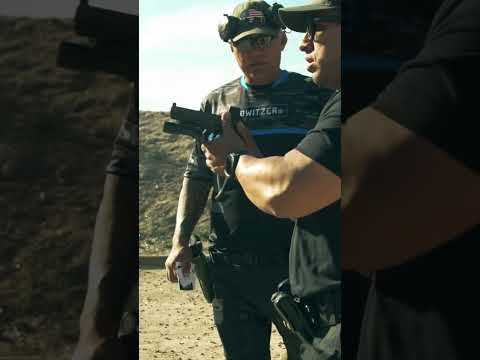
January 20, 2024: CCW AND TOURNIQUET TRAINING!

Published on January 25, 2024
Duration: 16:45

This video demonstrates a fundamental firearms training drill focusing on the draw stroke and achieving first-round impact on an anatomically correct target. It emphasizes smooth presentation, accurate sight acquisition, and proper trigger press, followed by reholstering and a basic malfunction clearance and reload sequence. The instruction highlights common issues like muzzle dip during the shot and encourages a slow, smooth presentation.

Quick Summary

This firearms training drill focuses on the draw stroke, first round impact on critical target zones (headbox, high thoracic cavity), and safe reholstering. It addresses common issues like muzzle dip and incorporates malfunction clearance and reloading, emphasizing smooth, controlled weapon manipulation for self-defense.

Chapters

  1. 00:03Introduction to Draw Stroke Training
  2. 00:15Target Setup: Headbox and Thoracic Cavity
  3. 00:23Drill Goal: Draw, Fire One Round, Reholster
  4. 00:28Demonstration of the Draw Stroke
  5. 01:48Timing and Accuracy Feedback
  6. 03:09Low Ready to Presentation Technique
  7. 03:46Malfunction Clearance Drill
  8. 04:39Addressing Muzzle Dip and Anticipation
  9. 05:25Reloading Procedure Explained
  10. 06:00Post-Reload Scan and Reset
  11. 07:05Maintaining Weapon Retention During Reload
  12. 10:23Introduction to Tourniquet Training
  13. 10:30Reasons for Tourniquet Use
  14. 11:50Tourniquet Placement: High and Tight
  15. 12:24Tourniquet Application Demonstration
  16. 15:43Tourniquet Effectiveness Check

Frequently Asked Questions

What are the key components of a basic firearms draw stroke training drill?

A fundamental firearms training drill involves a smooth draw stroke from the holster, presenting the weapon to acquire a sight picture on the target, executing a single shot, and then safely reholstering. This is often combined with malfunction clearance and reloading practice.

What are the primary target zones emphasized in CCW draw stroke training?

In CCW draw stroke training, the primary target zones typically emphasized are the headbox and the high thoracic cavity. These areas are targeted for their critical anatomical structures, aiming for rapid incapacitation in a self-defense scenario.

What common shooting error does the instructor address during the draw stroke drill?

The instructor addresses 'muzzle dip,' which occurs when the firearm's muzzle drops as the shot is fired, often due to anticipation. Practicing a slow, smooth, and controlled presentation of the firearm helps to mitigate this common error.

Beyond gunshot wounds, what is the most common reason for tourniquet application?

Surprisingly, the most common reason for tourniquet application in the United States is motor vehicle accidents. These incidents can cause severe limb trauma and massive hemorrhage, necessitating immediate bleeding control with a tourniquet.

More Training & Techniques Videos You Might Like

More from Locs N Load Firearm Reviews

View all →