Left-Handed Operations: Into the Fray Episode 64

Published on June 1, 2015
Duration: 3:26

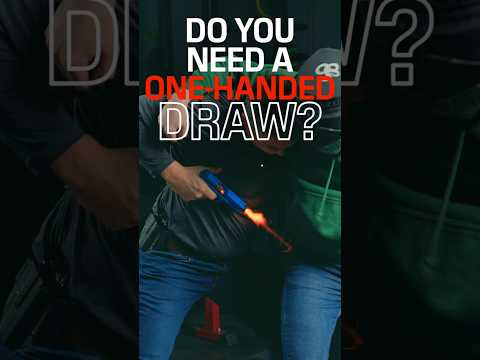
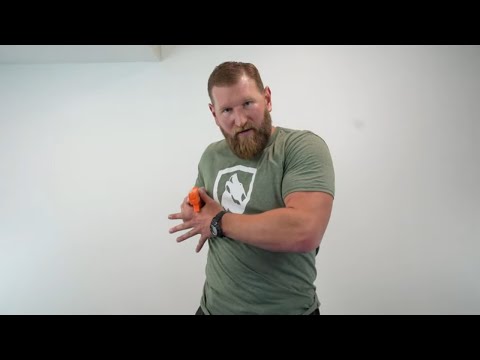
This guide details how a right-handed individual can draw and prepare their firearm for engagement using only their left hand, a critical skill for scenarios involving a non-functional right arm. It emphasizes proper grip acquisition and adjustment against the body for one-handed shooting. The video also highlights the increased importance of situational awareness and conflict avoidance when facing reduced defensive capacity.

Quick Summary

Learn how to draw and operate your firearm with your non-dominant hand if your primary arm is incapacitated. This technique involves a specific draw motion, grip adjustment against the body, and emphasizes the critical role of situational awareness in self-defense scenarios with reduced capacity.

Chapters

  1. 00:00Introduction: Left-Handed Operations
  2. 00:45Accessing Firearm with Right Arm Incapacitated
  3. 01:13Drawing with Left Hand
  4. 01:31Establishing Firing Grip
  5. 01:45One-Handed Shooting Capability
  6. 01:50Reholstering Challenges
  7. 02:00Holster Position Adjustment
  8. 02:42Pace of Operation and Awareness
  9. 03:08Conclusion and Subscription

Frequently Asked Questions

How can a right-handed person draw their firearm if their right arm is incapacitated?

A right-handed individual with an incapacitated right arm can draw their firearm using their left hand. This involves grasping the firearm with all four fingers, defeating retention by twisting towards the body, and then adjusting the grip against the side of the body to establish a proper three-fingered firing grip for one-handed shooting.

What is the recommended holster position for easier non-dominant hand firearm access?

For easier non-dominant hand firearm access, especially when the dominant arm is incapacitated, carrying the holster slightly more towards the center of the spine (e.g., 4 o'clock position) can be beneficial compared to a 3 o'clock position. This allows for better reach around the body.

Why is situational awareness more critical when carrying with reduced defensive capacity?

Situational awareness and conflict avoidance become significantly more critical when carrying with reduced defensive capacity, such as an injured arm. This is because accessing your firearm will take longer, giving potential threats more opportunity if you are not proactively aware of your surroundings.

More Training & Techniques Videos You Might Like

More from USCCA

View all →