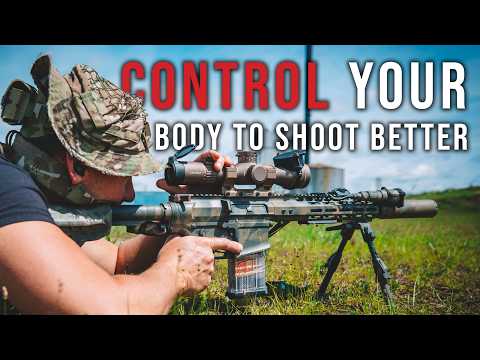
LIVE Optics/Long Range Workshop/Discussion/Debate

Published on January 11, 2025
Duration: 128:00

This workshop emphasizes the critical importance of proper scope mounting and leveling for long-range precision shooting. Gary Melton, owner of Paramount Tactical Solutions with extensive military and tactical training experience, explains why leveling the scope body, not the reticle, is crucial for accurate tracking and hold-offs. He details how to identify and correct canted reticles, the impact of mount cant, and best practices for applying lubricants to mount surfaces to prevent binding. The session also covers the sensitivity of spirit levels versus digital angle finders and offers recommendations for various optic brands.

Quick Summary

For accurate long-range shooting, it's crucial to level the scope's body, not the reticle. A canted reticle will cause elevation adjustments to act as windage adjustments, leading to significant errors. Use a plumb line to check for cant after leveling the scope body and ensure mounts are properly lubricated to prevent binding.

Chapters

  1. 00:00Introduction & Dangerous Liberty Zone
  2. 00:30Long Range & Optics Workshop Intro
  3. 01:07Paramount Tactical Live Stream Schedule
  4. 02:00Community & Disagreement Welcome
  5. 02:25Investment in Content Production
  6. 03:08Gary Melton's Background & Paramount Tactical
  7. 03:25Military & Special Operations Experience
  8. 04:02Department of State Instructor Role
  9. 04:21Founding Paramount Tactical Solutions
  10. 04:50Passion for Firearms Training & Long Range
  11. 05:31Retail Operations & Business Growth
  12. 06:00No YouTube Shill Policy & Product Testing
  13. 07:17XP Longrange Academy Courses
  14. 07:38Viewer Shoutouts & Community Engagement
  15. 08:30Why Mount Scopes a Specific Way
  16. 09:07Scope Mounting Videos & Concepts
  17. 09:22Professional Scope Mounting Expertise
  18. 10:13Reticle Spelling Correction
  19. 11:06Open Q&A and Patreon Support
  20. 11:52Scope Leveling Mechanics Explained
  21. 12:11Internal Scope Mechanics: Reticle & Erector
  22. 13:15The Problem with a Canted Reticle
  23. 13:50Leveling Based on Optic Body vs. Reticle
  24. 14:04Demonstration: Optic Body Leveling
  25. 15:09Impact of Canted Reticle on Hold-offs
  26. 16:00Ensuring Accurate Tracking
  27. 16:46Why Scope Leveling Isn't Widely Known
  28. 17:14Importance for Precision Shooting
  29. 18:35Anti-Cant Devices: Bubble Levels & Electronic Levels
  30. 19:13Eliminating Variables in Shooting
  31. 19:56Empowering Shooters with Skills
  32. 20:29Common Scope Mounting Issues with Gunsmiths
  33. 21:14Nuance in Long Range Discussions
  34. 21:38Mechanical Understanding of Scopes
  35. 22:12Exaggerated Illustration: Leveling by Reticle
  36. 23:30Turning Elevation into Windage (and vice-versa)
  37. 23:42Confirmation from ZCO USA President
  38. 24:13Personal Experience: Reticle vs. Body Leveling
  39. 25:07Troubleshooting Scope Issues
  40. 25:30Realization: Canted Reticle Problem
  41. 25:50Tall Target & Tracking Tests
  42. 26:40Viewer Questions on Arken EP5 & Other Scopes
  43. 27:06Scope Mounting with 20 MOA Bases
  44. 27:29Leveling to Built-in Elevation (Mount vs. Base)
  45. 29:36Fighting Against Built-in Mount Elevation
  46. 30:18Orisa Wedges & Sper Mounts
  47. 30:56Binding Issues with Clamp Mounts
  48. 31:57Solution: Lubricating Binding Surfaces
  49. 33:23Pushing Mount Forward to Take Up Slack
  50. 34:36Fix It Sticks & Scope Jack Discussion
  51. 35:32SG Pulse Availability
  52. 36:29Nightforce Optics: NX8 vs. ATACR
  53. 37:05ZCO, Nightforce, Zeiss, Kahles Optics
  54. 38:59Chassis Leveling Issues
  55. 40:00Bubble Level Placement on Chassis vs. Rail
  56. 41:23Sig vs. Vector (Vortex?) Discussion
  57. 41:47Getting into Long Range Shooting
  58. 42:36Supporting the Channel Through Purchases
  59. 42:59Stability Level for Turret Mounting
  60. 43:40Checking Level Accuracy
  61. 44:51Electronic Angle Indicator Use
  62. 46:14New Scope Preparation: Working Turrets
  63. 46:48Reticle Travel vs. Housing Orientation
  64. 48:52Barriers to Entry in Long Range Shooting
  65. 50:52Bubble Levels vs. Digital Levels for Mounting
  66. 52:30MDT Send It & SG Pulse Accuracy
  67. 53:00Recommended Mounts & Rings (Area 419)
  68. 53:45Critique of Lower-End Nightforce Optics
  69. 54:16Second Focal Plane vs. First Focal Plane Optics
  70. 55:10Impressions of the Athlon Ares ETR UHD
  71. 56:40Dealer for ZCO, Nightforce, Zeiss, Vortex
  72. 56:51Leupold Mark IV Quality Control Issues
  73. 57:30Trijicon Credo LPVO Recommendation
  74. 57:53Nightforce ATACR 1-8x and ZCO 2-10x
  75. 58:26Wet Mounting Scope Rings (Absolutely Not)
  76. 58:50Area 419 Mounts: Raw Aluminum
  77. 59:23Lubricating Mount Clamping Surfaces
  78. 60:04Preventing Corrosion on Actions
  79. 60:29MasterPiece Arms (MPA) Rifle Quality
  80. 63:30Recommended Optics for 1200 Yards (Budget to High-End)
  81. 63:54Zeiss 6-36x & S3 4-25x Value
  82. 64:37Nightforce ATACR & ZCO 5-27x / 8-40x
  83. 65:20Vortex Optics Availability
  84. 65:39Athlon Optics Lineup (Ares ETR UHD, Kronos)
  85. 66:56Zeiss PS3 6-36x Performance
  86. 68:06Buy Once, Cry Once Philosophy
  87. 69:31Fowler Gauge Importance in Ring Tightening
  88. 70:54Ensuring Even Downward Pressure in Rings
  89. 72:30OCD Approach to Scope Mounting

Frequently Asked Questions

Why is it important to level the scope body and not the reticle for long-range shooting?

Leveling the scope body ensures that the internal erector system tracks vertically and horizontally as intended. If the reticle is canted, elevation adjustments can become windage adjustments, leading to significant errors at longer distances and rendering hold-offs inaccurate.

How can I check if my scope reticle is canted?

Ensure your rifle and scope are perfectly level. Then, look through the scope at a plumb line. If the reticle is not parallel to the plumb line, your reticle is canted and needs to be corrected during the mounting process.

What is the purpose of applying lubricant to scope mount surfaces?

Applying a light coat of oil or grease to the binding surfaces of clamp mounts prevents them from binding or 'galling' as they are tightened. This allows the mount to seat evenly on the Picatinny rail, ensuring it remains level and doesn't shift under recoil.

Should I put grease inside scope rings where they contact the scope tube?

No, absolutely not. There should be nothing between the scope ring and the scope body itself. Clean these surfaces thoroughly with alcohol or degreaser to ensure a secure, non-slip grip and prevent any slippage.

More Training & Techniques Videos You Might Like

More from Paramount Tactical

View all →