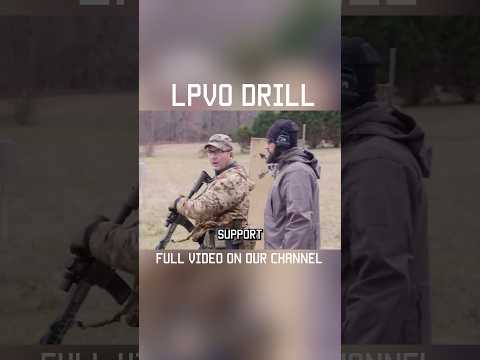
Low Powered Variable Optic drill! #shorts #military #specialforces

Published on April 28, 2026
Duration: 1:00

This drill focuses on utilizing a Low Powered Variable Optic (LPVO) effectively across different shooting positions. It emphasizes transitioning from standing to kneeling to prone, while also incorporating the critical step of manipulating optic magnification with either hand. The drill concludes with engaging multiple targets, reinforcing accuracy and speed with a variable optic.


Quick Summary

This LPVO drill focuses on mastering positional shooting transitions from standing to kneeling to prone. A key technique involves using your strong or support hand to adjust optic magnification while in the prone position, ensuring optimal sight picture for target engagement.

Chapters

  1. 00:02Drill Overview: Standing to Kneeling
  2. 00:05Transition to Prone & Magnification Adjustment
  3. 00:12Target Engagement: Bottom Right & Over Shoulder
  4. 00:42Focus on Technique Over Time
  5. 00:53Control Hand Usage for Aiming

Frequently Asked Questions

How do you effectively use a Low Powered Variable Optic (LPVO) during a shooting drill?

This drill emphasizes transitioning through standing, kneeling, and prone positions. Crucially, it involves using your strong or support hand to adjust the optic's magnification while in the prone position, ensuring you are properly sighted for each engagement.

What is the recommended approach to timing in this LPVO shooting drill?

The instructor advises against focusing too heavily on speed. The priority is to execute the positional transitions and optic adjustments correctly. Accuracy and proper technique are more important than achieving a fast time, especially when learning.

What are the key positional transitions in this LPVO drill?

The drill begins with two shots from a standing position, followed by two shots from a kneeling position. The final shooting position is prone, where specific actions like magnification adjustment are performed before engaging targets.

How should the control hand be utilized during this rifle drill?

The control hand, typically the one not on the trigger, can be used on the front of the gun to aid in stabilization and making aiming adjustments. This technique can provide certain advantages when engaging targets.

Related News

All News →

More Training & Techniques Videos You Might Like

More from Tactical Rifleman

View all →