LOW READY

Published on December 27, 2024
Duration: 1:00

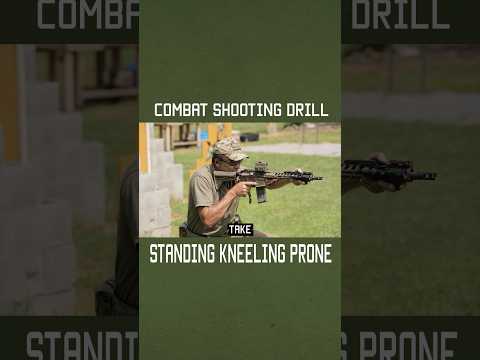
This video details the proper execution of the low ready firearm stance, emphasizing a realistic presentation from the base of the target rather than a competition-focused belly button start. It highlights the importance of this technique for law enforcement and self-defense scenarios, especially when operating with night vision or gas masks, where peripheral vision and a consistent standard are crucial.

Quick Summary

The low ready firearm technique emphasizes a realistic presentation from the base of the target, crucial for self-defense and law enforcement. This standard ensures accuracy and maintains peripheral vision, especially when using tactical gear like night vision or gas masks, prioritizing real-world effectiveness over competition speed.

Chapters

  1. 00:00Introduction to Low Ready
  2. 00:01Eyes on Target and Drop to Base
  3. 00:04Safety Manipulation and Aiming Point
  4. 00:11Real-World vs. Competition Speed
  5. 00:20Realistic Presentation Standard
  6. 00:48Purpose: Self-Defense, Not Competition
  7. 00:54Considerations for Night Vision/Gas Mask

Frequently Asked Questions

What is the recommended starting point for presenting a firearm from the low ready position in real-world scenarios?

For realistic self-defense and law enforcement scenarios, it's recommended to present the firearm from the low ready position starting at the base of the target, where feet would typically land, rather than aiming for the belly button as in competition.

Why is the low ready position important for tactical situations?

The low ready position is crucial for maintaining weapon retention and allowing for a rapid presentation to a threat. It's especially important in tactical situations where peripheral vision is key, such as when wearing night vision or gas masks.

How does competition shooting differ from real-world firearm presentation?

Competition shooting often prioritizes speed, leading to presentations from closer aiming points like the belly button. Real-world scenarios benefit from a more deliberate presentation from the base of the target, ensuring accuracy and a realistic engagement distance.

What is the significance of the red dot's landing point in the low ready technique?

When using a red dot sight from the low ready, it's important to lock onto the precise point where the red dot should land for an effective hit. This ensures accuracy and consistency in your presentation and subsequent shots.

Related News

All News →

More Training & Techniques Videos You Might Like

More from GBRS Group

View all →