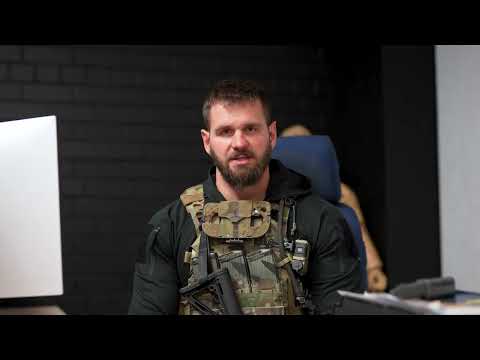
Surviving a BREAK IN

Published on March 14, 2026
Duration: 0:51

This guide details a critical home defense technique focusing on dynamic safety manipulation and proficient chambering of a round. The instruction emphasizes making safety engagement and disengagement an automatic, fluid motion integrated with presenting the firearm. It highlights the importance of maintaining trigger discipline and scanning before aiming, crucial for safety in high-stress scenarios. The speaker's experienced tone suggests this is vital training for readiness.

Quick Summary

Master dynamic safety manipulation for home defense: engage the safety when the firearm is lowered and disengage it only when bringing it up to aim. This fluid, automatic motion, combined with proficient chambering drills, is crucial for readiness and safety in high-stress scenarios.

Chapters

  1. 00:00Home Defense Readiness Philosophy
  2. 00:07Chambering and Safety Procedure
  3. 00:13Dynamic Safety Manipulation
  4. 00:22Visual Check and Aiming
  5. 00:29Importance of Trigger Discipline
  6. 00:34Combined Safety and Trigger Discipline

Frequently Asked Questions

What is the recommended safety procedure for home defense with a firearm?

For home defense, it's advised to integrate safety manipulation with firearm presentation: engage the safety when the gun is lowered and disengage it only when bringing it up to aim. This should become an automatic, fluid motion.

How should one practice chambering a round for home defense?

Practice quickly racking the bolt or slide to chamber a round immediately after picking up the firearm, followed by engaging the safety. This ensures readiness without keeping a round chambered constantly, especially if children are present.

Why is 'second nature' safety training important for home defense?

'Second nature' safety training is crucial to prevent accidental discharges in high-stress situations. It ensures that safety protocols, like engaging the safety when lowering the firearm, become automatic, reducing the risk of unintended firing.

What is the proper sequence for presenting a firearm for defense according to the video?

The proper sequence involves picking up the gun, chambering a round, engaging the safety, then disengaging the safety only as the gun is brought up to aim. Prioritize scanning the environment before looking through the sights.

Related News

All News →

More Training & Techniques Videos You Might Like

More from American Outlaw

View all →