MIL VS MOA Accufire Turrets

Published on June 27, 2023
Duration: 0:43

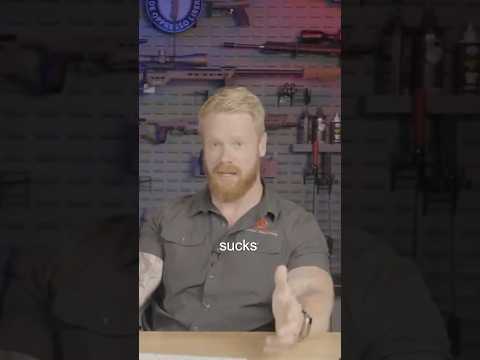
This guide, presented by firearms instructor Elliott Delp, explains the fundamental differences between MIL and MOA turret adjustment systems on rifle optics. It covers how to identify each system, the typical increment values (0.1 MRAD for MIL, 1/4 MOA for MOA), and the importance of tactile and audible feedback for precise adjustments. Understanding these concepts is crucial for accurate zeroing and field adjustments.

Quick Summary

Firearms instructor Elliott Delp explains that MIL is a metric-based system with typically 0.1 MRAD adjustments per click, while MOA is imperial-based, often using 1/4 MOA clicks. He notes Accufire turrets provide superior audible and tactile feedback compared to some Sig Sauer models, aiding precise adjustments.

Chapters

  1. 00:00MIL vs MOA Basics
  2. 00:14Accufire Turret Mechanics
  3. 00:23Comparison and Tactile Feedback

Frequently Asked Questions

What is the difference between MIL and MOA turret adjustments?

MIL (Mil-Radian) is metric-based, typically with 0.1 MRAD adjustments per click. MOA (Minute of Angle) is imperial-based, often with 1/4 MOA adjustments per click. Understanding which system your optic uses is crucial for accurate shooting.

How do Accufire turrets compare to other brands like Sig Sauer?

According to firearms instructor Elliott Delp, Accufire turrets offer distinct and high-quality audible and tactile clicks, providing better feedback than some Sig Sauer optics tested.

What does '0.1 MRAD' mean for optic adjustments?

'0.1 MRAD' means that each click of the turret adjusts the point of impact by 0.1 Mil-Radian. This is a common increment for MIL-based systems, allowing for fine-tuning accuracy on your rifle.

Why is tactile and audible feedback important on rifle scope turrets?

Distinct tactile and audible clicks confirm each adjustment made to the scope turrets. This feedback helps ensure you've made the intended change, preventing errors during zeroing or field adjustments, especially in stressful situations.

Related News

All News →

More Training & Techniques Videos You Might Like

More from Elliott Delp

View all →