Pistol Shooting Drill to Improve Accuracy | Shooting Tips from SIG SAUER Academy

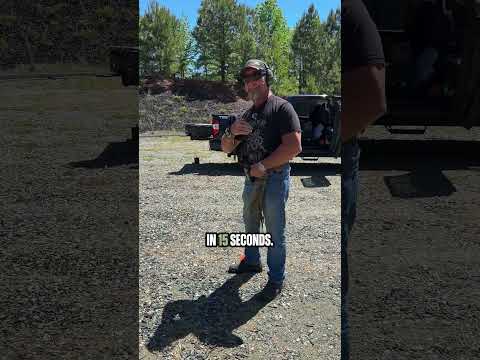
This drill focuses on improving pistol accuracy by isolating trigger anticipation. By firing a single live round and immediately following with a dry fire, shooters can identify muzzle movement caused by flinching or anticipating recoil. Practicing this at distance, like 40 yards, provides clear feedback on trigger control and sight alignment.

Quick Summary

Adam Painchaud of SIG SAUER Academy suggests a drill to improve pistol accuracy by eliminating trigger anticipation. Load one round, fire, then immediately perform a dry fire press. Observing muzzle movement during the dry fire reveals anticipation, helping you correct it by focusing on the front sight.

Chapters

  1. 00:00Introduction Montage
  2. 00:16Trigger Discipline Drill Introduction
  3. 00:45Drill Setup: Steel Target at 40 Yards
  4. 00:59Drill Mechanics: Live Fire & Dry Fire
  5. 01:24Identifying Anticipation Errors
  6. 01:52Live Demonstration of Drill
  7. 03:09Correcting Common Accuracy Issues
  8. 03:49Conclusion & Resources

Frequently Asked Questions

How can I improve my pistol accuracy by addressing trigger anticipation?

Adam Painchaud of SIG SAUER Academy suggests a drill: load one round, remove the magazine, fire, then immediately perform a dry fire press. Observing muzzle movement during the dry fire reveals anticipation, helping you correct it by focusing on the front sight.

What is the SIG SAUER Academy drill for improving trigger control?

The drill involves firing a single live round from a pistol, then immediately performing a dry fire press without resetting the trigger. This sequence highlights any flinching or muzzle movement caused by anticipating recoil, which is key to improving accuracy.

What common shooting errors does the SIG SAUER Academy drill help identify?

This drill specifically helps identify 'evil monsters' like trigger anticipation and muzzle dip. If the muzzle moves during the dry fire press after a live round, it indicates the shooter is anticipating recoil, a common cause of shots going low.

Where can I find resources to practice shooting techniques like this?

Adam Painchaud recommends practicing at local ranges. He also points to resources like wheretoshoot.org to find shooting locations and mentions the SIG SAUER Academy in New Hampshire for professional training.

Related News

All News →

More Training & Techniques Videos You Might Like

More from NSSF—The Firearm Industry Trade Association

View all →