Prepared Bystander Handles His Business | Active Self Protection

Published on December 12, 2017
Duration: 2:21

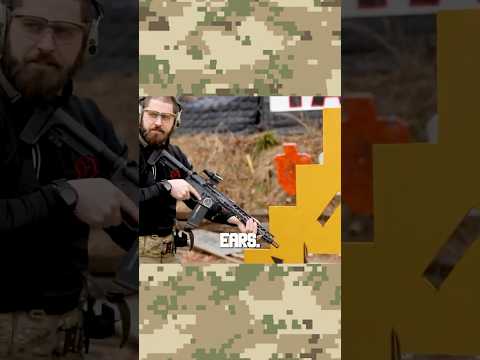
This guide, based on analysis from John Correia of Active Self Protection, focuses on mastering the two-handed grip during defensive shooting scenarios. It emphasizes the critical importance of training to quickly transition from a one-handed grip (often necessitated by carrying other items) to a stable two-handed grip for improved accuracy and speed when a deadly threat is present. The instruction highlights the need for consistent dry-fire practice to build the muscle memory required for this technique under stress.

Quick Summary

Mastering the two-handed grip is vital for defensive shooting accuracy and speed. Training involves practicing to quickly drop carried items and establish a stable two-handed hold. This technique, highlighted by John Correia, is crucial for gaining the advantage in a confrontation, especially considering the 'FIBS' factor where being the first to fire accurately is key.

Chapters

  1. 00:00Introduction & Key Lessons
  2. 00:25Incident Analysis: Robbery Response
  3. 00:47Tactical Timing & Counter-Ambush
  4. 01:12The FIBS Factor in Gunfights
  5. 01:25Shooting Technique: Two-Handed Grip

Frequently Asked Questions

What is the 'FIBS' factor in a gunfight?

The 'FIBS' factor, an acronym for 'F***, I've Been Shot,' highlights the critical advantage gained by being the first to deliver accurate shots in a deadly encounter. This initial success can often determine the outcome of the confrontation.

Why is a two-handed grip important in self-defense?

A two-handed grip provides significantly greater stability, control, and accuracy compared to a one-handed grip. Training to quickly establish this grip, even when initially holding other items, is crucial for effective defensive firearm deployment.

How can I train to improve my two-handed grip under stress?

Practice drawing your firearm and assume a firing grip, simultaneously training to drop any items held in your support hand. Consistently repeating this transition during dry-fire drills builds the necessary muscle memory for stressful situations.

What tactical lesson does the Brazil incident highlight?

The incident from Brazil underscores the importance of tactical timing and the counter-ambush. It also emphasizes the critical need for a proper two-handed grip, advising trainees to practice dropping carried items to achieve it for better accuracy and speed.

Related News

All News →

More Training & Techniques Videos You Might Like

More from Active Self Protection

View all →