Proper Trigger Pull & Dry Fire Practice | Handgun 101 with Top Shot Chris Cheng

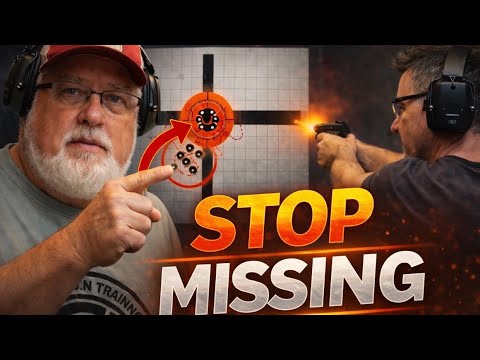
This video provides a beginner's guide to proper handgun trigger pull and dry fire practice, led by Top Shot champion Chris Cheng. Key takeaways include optimal trigger finger placement for accuracy, common errors to avoid, and the mechanics of a smooth, rearward trigger press. It emphasizes dry firing as a cost-effective method for building muscle memory, stressing strict safety protocols before practice.

Quick Summary

The ideal trigger finger placement is approximately one-third of the way out from the first knuckle, providing a flat surface for a smooth, straight rearward pull. This technique is crucial for maintaining accuracy and preventing shots from drifting left or right.

Chapters

  1. 00:00Proper Trigger Finger Placement
  2. 00:43Common Trigger Pull Errors
  3. 01:37The Mechanics of the Trigger Press
  4. 02:03Introduction to Dry Fire Practice
  5. 02:37Dry Fire Safety Protocols
  6. 03:03Executing the Dry Fire Drill

Frequently Asked Questions

What is the correct trigger finger placement for a handgun?

The ideal trigger finger placement is approximately one-third of the way out from the first knuckle. This position provides a flat surface, allowing for a smooth, straight rearward pull essential for maintaining accuracy and preventing shots from drifting.

How can I improve my handgun accuracy with dry fire practice?

Dry fire practice helps build muscle memory for trigger control and sight alignment without live ammo. Focus on a smooth trigger press, maintaining sight picture through the break and reset, and practice consistently in a safe environment.

What are common mistakes in handgun trigger pull?

Common mistakes include using too much finger (causing shots to dip or pull right) or too little (causing shots to pull left). Jerking the trigger or applying lateral pressure also negatively impacts accuracy.

What are the essential safety rules for dry fire practice?

Safety is paramount. Always ensure the firearm is completely unloaded, visually and physically check the chamber and magazine well, and remove all live ammunition from the practice area to a separate location.

Related News

All News →

More Training & Techniques Videos You Might Like

More from NSSF—The Firearm Industry Trade Association

View all →