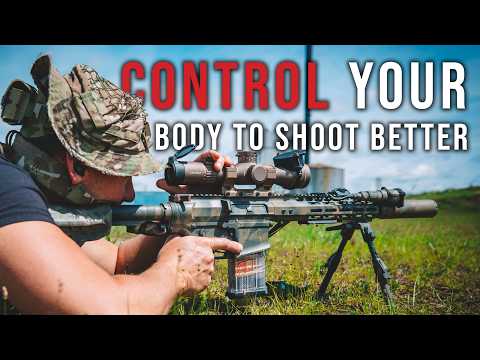
Shooter Spotter Communication: Build Trust, Call Shots

Published on July 28, 2024
Duration: 26:38

This video details effective communication strategies for shooter-spotter teams to improve accuracy and engagement speed. It emphasizes establishing clear Standard Operating Procedures (SOPs), precise call-outs for elevation and windage, and using environmental references for corrections. The instructor highlights the importance of trust and minimizing unnecessary chatter to achieve faster, more accurate shots.

Quick Summary

Effective shooter-spotter communication relies on clear, concise calls and established Standard Operating Procedures (SOPs). The spotter calls elevation (DOPE) first, then windage. After a shot, precise corrections based on impact are given, often relative to the target's known size. Trust and minimizing extraneous chatter are key to faster, more accurate engagements.

Chapters

  1. 00:00Introduction & Channel Support
  2. 00:52Video Topic: Shooter Spotter Communication
  3. 01:30Example Call-Outs
  4. 02:39Why Efficient Communication Matters
  5. 03:13Establishing SOPs
  6. 03:36Shooter's Role: Reading Sight Picture
  7. 04:04Target Acquisition Confirmation
  8. 04:46Who Should Spot vs. Shoot
  9. 05:19Spotter's Role: Elevation & Windage Calls
  10. 06:00Order of Calls: DOPE then Windage
  11. 06:41Spotter's Responsibility: No 'Send It'
  12. 06:53Adjusting Wind Calls
  13. 07:15Post-Shot Correction
  14. 07:36Understanding Target Width
  15. 08:15Example Correction Scenario
  16. 08:53Correcting Elevation Issues
  17. 09:31Simplifying Communication
  18. 09:53Spotting Without a Reticle
  19. 11:04Communicating Based on Environment
  20. 11:47Mills vs. Minutes of Angle
  21. 12:17Speaking About Wind
  22. 13:00Identifying & Walking Targets
  23. 13:59Using Binoculars for Training
  24. 14:27Building Communication Understanding
  25. 14:50Common Problem: Too Much Information
  26. 15:15Two-Way Ranges & Competition
  27. 15:39Marksmanship Priority
  28. 16:05The 'I Don't Know' Call
  29. 17:19Spotting as a Skill
  30. 17:48Avoiding Chasing Shots
  31. 18:06Emotions vs. Ballistics
  32. 18:35Fundamental Base for Identification
  33. 19:00Shooter Confidence & Engagement
  34. 19:39Trust in Decision-Making
  35. 19:59Talking on the Target
  36. 20:29Practicing Communication Off-Range
  37. 20:52Conclusion & Future Demos
  38. 21:23Sponsor Mention: Global Ordinance
  39. 21:40BDC Reticle Limitations
  40. 22:11Societal Commentary
  41. 23:40Striving for a More Perfect Union
  42. 24:10Emotion vs. Deliberate Action
  43. 25:46Choosing Words Carefully
  44. 26:29Mental Health & Preparation
  45. 26:34Outro

Frequently Asked Questions

What is the most important aspect of shooter-spotter communication?

The most important aspect is establishing clear, efficient communication with minimal unnecessary language. This involves setting a Standard Operating Procedure (SOP) so both team members understand each other, confirming target acquisition, and providing precise, actionable calls for elevation and windage to engage targets quicker and more accurately.

How should a spotter call adjustments to a shooter?

A spotter should call elevation (DOPE) first, followed by windage. For example, '3.5 dope, 0.4 wind left'. The shooter then applies these adjustments. If the shot misses, the spotter provides a precise correction based on the impact, like '0.1 low' or '0.1 left', relative to the target's known size.

What if the spotter's scope doesn't have a reticle?

If the spotting scope lacks a reticle, the spotter can use relative references based on the target or environment. For instance, they might say 'hold half a plate right' or 'move a finger width to 3 o'clock', assuming the shooter understands these visual cues and the target's approximate size.

When should a shooter engage if the spotter isn't ready?

If the shooter is confident in their dope, knows the target's location, and believes they can make an impact, they can engage even if the spotter is still setting up or cannot confirm the target. This relies on mutual trust between the shooter and spotter's experience and decision-making.

More Training & Techniques Videos You Might Like

More from Weapon Snatcher

View all →