SKS Steel Eating ( Rifle rounds vs steel)

Published on October 5, 2009
Duration: 11:37

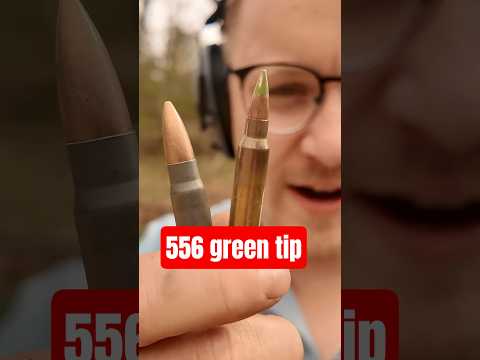
This video from hickok45 provides an expert-level analysis of shooting rifle rounds at a 1-inch thick mild steel target. It details tests with an AR-15 (.223 Remington), SKS (7.62x39mm), and M1A (.308 Winchester), comparing the cratering effects and discussing crucial safety considerations regarding fragmentation and ricochets. The expert demonstrates the significant difference in impact energy and potential hazards when using rifle cartridges versus handgun rounds on steel targets.

Quick Summary

Expert analysis from hickok45 reveals that shooting rifle rounds at mild steel targets poses significant risks due to bullet cratering and fragmentation. Calibers like .308 Winchester create substantial craters, increasing ricochet hazards. For safe steel target shooting with rifles, maintain distances of 40-50 yards or more and use hardened AR500 steel, not mild steel.

Chapters

  1. 00:00Introduction: Rifle Rounds vs. Steel Targets
  2. 01:09Target Specifications: 1-Inch Mild Steel
  3. 02:01Testing .223 Remington (AR-15)
  4. 02:43Testing 7.62x39mm (SKS)
  5. 03:08Testing .308 Winchester (M1A)
  6. 04:31Safety and Ballistics Discussion
  7. 06:43Post-Impact Analysis: Crater Comparison

Frequently Asked Questions

What are the main risks of shooting rifle rounds at steel targets?

The primary risks include fragmentation of the bullet or jacket, and unpredictable ricochets of bullet fragments or whole bullets back towards the shooter or bystanders. This is especially true with mild steel targets which crater rather than deflect. Maintaining significant distance and using appropriate steel (like AR500) are crucial safety measures.

How does mild steel differ from AR500 steel for target use?

Mild steel is softer and will crater significantly when hit by rifle rounds, increasing the risk of fragmentation and ricochet. AR500 steel is a hardened alloy designed to withstand repeated impacts from rifle rounds with minimal deformation, causing bullets to fragment or deflect more predictably and safely.

Which rifle caliber created the largest craters on the 1-inch mild steel target in the video?

In the test conducted by hickok45, the .308 Winchester (7.62x51 NATO) caliber produced the largest and deepest craters on the 1-inch thick mild steel target. The .223 Remington created smaller craters, and the 7.62x39mm resulted in the shallowest impacts among the tested rounds.

What safety precautions should be taken when shooting rifle rounds at steel targets?

Always maintain a safe distance, typically 40-50 yards or more for rifle rounds. Ensure the target is made of appropriate ballistic steel (AR500 is recommended). Be aware of the potential for fragmentation and ricochets, and always use proper eye and ear protection. Never shoot at steel targets that show excessive damage or cratering.

Related News

All News →

More Training & Techniques Videos You Might Like

More from hickok45

View all →