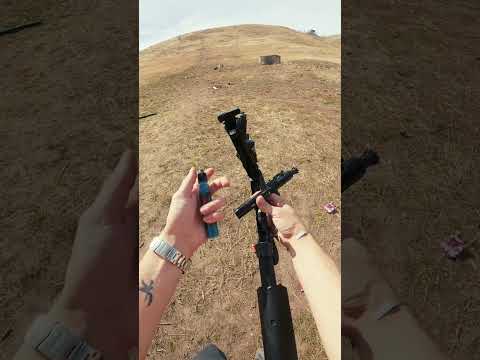
Smyth Busters: Important Info on 5.56 vs .223 Ammunition

Published on January 11, 2022
Duration: 9:12

This video from Brownells' Smyth Busters series, featuring Caleb, provides crucial information on the differences between 5.56x45mm NATO and .223 Remington ammunition. It emphasizes the importance of matching ammunition to firearm markings, particularly for AR-15 platforms, and details the risks of using higher-pressure 5.56 NATO rounds in .223 Remington chambers, including accelerated firearm wear and potential safety failures. The content is presented with a professional, technical, and safety-oriented tone, drawing on consultation with SAAMI.

Quick Summary

The key difference between 5.56 NATO and .223 Remington ammunition is chamber pressure. 5.56 NATO is a military round with higher pressure, while .223 Remington is a commercial round with lower pressure. It's crucial to match ammunition to your firearm's barrel marking, especially for AR-15s, to prevent dangerous over-pressure and accelerated wear on components.

Chapters

  1. 00:00Introduction & SAAMI Collaboration
  2. 00:41What is SAAMI?
  3. 01:09Matching Ammunition to Markings
  4. 02:19Chamber Specifications
  5. 03:25NATO vs. Commercial Pressures
  6. 04:43Pressure Testing Methodology
  7. 06:01Firearm Wear and Tear
  8. 07:45Signs of Ammunition Failure

Frequently Asked Questions

What is the main difference between 5.56 NATO and .223 Remington ammunition?

The primary difference lies in chamber pressure. 5.56 NATO rounds operate at significantly higher pressures than .223 Remington commercial rounds. This distinction is critical for firearm safety and longevity, especially in AR-15 platforms.

Why is it important to check the barrel marking on an AR-15 for ammunition compatibility?

AR-15 receivers are often marked 'multi-cal,' which is not specific enough. The barrel marking indicates the precise chambering and safe ammunition type. Using the wrong ammunition can lead to dangerous over-pressure and firearm damage.

Can I safely fire 5.56 NATO rounds in a .223 Remington chamber?

Not always. While some firearms marked .223 Remington can safely chamber 5.56 NATO, it depends on the specific firearm's design and chamber cut. Using high-pressure 5.56 NATO in a tight .223 chamber can cause accelerated wear and dangerous pressure spikes.

What are the signs of dangerous over-pressure from ammunition?

According to SAAMI, signs of dangerous over-pressure include pierced primers, blown primers, or gas leaks around the case head or action. These are clear indicators of ammunition failure and potential danger.

Related News

All News →

More Training & Techniques Videos You Might Like

More from Brownells, Inc.

View all →