Stance: Handgun Tip | Gunsite Academy Firearms Training

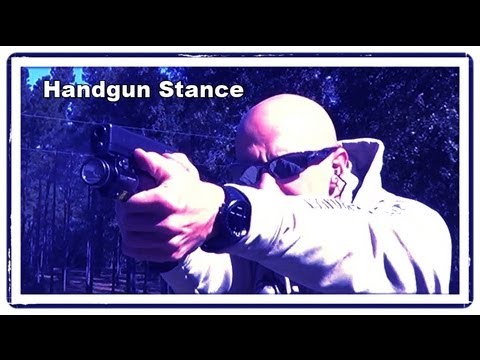
Mastering the Weaver stance is crucial for handgun proficiency, providing a stable foundation for accuracy and recoil management. Key elements include proper foot placement, a slight knee bend, and an aggressive forward posture. The five-step presentation and push-pull recoil control technique are essential for effective shooting, especially in defensive scenarios. Professional training from institutions like Gunsite Academy is highly recommended.

Quick Summary

The Weaver stance for handguns involves feet shoulder-width apart, toes at the target, knees bent, and leaning forward for balance. The push-pull technique uses opposing forces from the shooting and support arms to manage recoil and maintain stability.

Chapters

  1. 00:11Introduction to Stance Importance
  2. 00:32How to Perform the Weaver Stance
  3. 00:54Five-Step Presentation & Push-Pull Technique
  4. 01:17Benefits of the Weaver Stance
  5. 02:03Dry Fire Practice for Stability
  6. 02:45Finding Professional Firearms Training

Frequently Asked Questions

What are the key elements of the Weaver stance for handgun shooting?

The Weaver stance requires feet shoulder-width apart, toes pointed at the target, knees slightly bent, and an aggressive forward posture. This setup provides optimal balance and control over the firearm.

How does the push-pull technique help manage handgun recoil?

The push-pull technique involves extending the shooting arm straight while bending the support arm and pulling back. This creates opposing forces that help stabilize the firearm and manage recoil effectively.

Why is a proper stance important for handgun proficiency?

A proper stance is the foundational building block for accurate handgun shooting. It ensures stability, balance, and control, which are essential for consistent marksmanship and effective recoil management.

What is the five-step presentation process in handgun shooting?

The five-step presentation involves: 1. Grip the firearm. 2. Clear the holster. 3. Rotate the firearm towards the target. 4. Extend the firearm (smack). 5. Acquire the target.

Related News

All News →

More Training & Techniques Videos You Might Like

More from NSSF—The Firearm Industry Trade Association

View all →