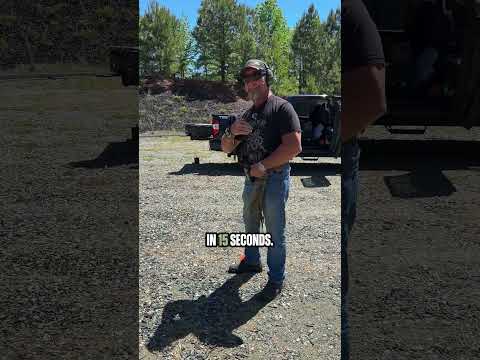
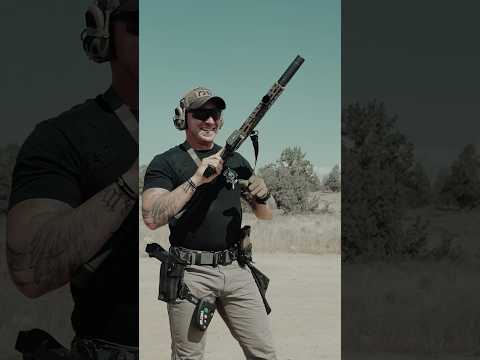
Staying Visually Connected

Published on December 21, 2025
Duration: 47:39

This video provides an expert-level breakdown of visual confirmation levels in shooting, from 'Stopped Dot' to 'Indexing,' as taught by Paul Costa of Achilles Heel Tactical. It details how to apply these techniques based on target difficulty and distance, emphasizing the 'Trigger Break Exit' and the 'Designated Target Drill' for improving speed and accuracy. The instruction is highly technical, suitable for advanced shooters seeking to refine their visual processing and engagement strategies.


Quick Summary

Advanced shooting techniques focus on confirmation levels, the visual information used before firing. These range from a 'Stopped Dot' for precision to 'Flash of Color' or 'Indexing' for speed. The 'Trigger Break Exit' cue, where eyes move to the next target as the shot breaks, is crucial for faster follow-up shots and overall efficiency.

Chapters

  1. 00:00Introduction to Confirmation Levels
  2. 00:50Confirmation Level 1: Stopped Dot
  3. 01:59Confirmation Level 2: Streaking Dot
  4. 02:45Confirmation Level 3: Flash of Color
  5. 03:22Confirmation Level 4: Indexing and Backplate
  6. 05:28Target Array Setup and Blending
  7. 06:30Assessing Shooting Mistakes
  8. 16:37Trigger Break Exit
  9. 22:49Designated Target Drill

Frequently Asked Questions

What are the different confirmation levels in shooting?

Confirmation levels describe the visual information used before firing: 'Stopped Dot' (full sight picture), 'Streaking Dot' (dot entering target), 'Flash of Color' (brief flash in zone), and 'Indexing' (weapon alignment without sights). These vary by target difficulty and distance.

How does the 'Trigger Break Exit' improve shooting speed?

The 'Trigger Break Exit' involves moving your eyes to the next target *as* the shot breaks. This proactive visual shift allows the firearm to naturally re-index on the new target while your eyes are already acquiring it, reducing overall time between shots.

What is the 'Designated Target Drill' and its purpose?

The 'Designated Target Drill,' attributed to Kwan-Zik Kim, tests visual discipline and transition speed. It requires engaging a primary steel target, transitioning to a secondary paper target, and then returning to the steel, simulating dynamic engagement scenarios.

Why is understanding confirmation levels important for shooters?

Understanding confirmation levels allows shooters to balance speed and accuracy. By using only the necessary visual information for a given target, you can shoot faster without compromising hits, optimizing performance across various engagement scenarios.

Related News

All News →

More Training & Techniques Videos You Might Like

More from Achilles Heel Tactical

View all →