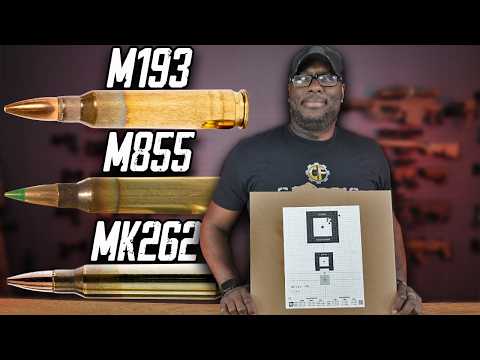
Stop Zeroing with (certain) 223

Published on June 21, 2022
Duration: 9:00

This video explains why commercial .223 ammunition is often significantly slower than 5.56 NATO, primarily due to differences in advertised barrel lengths and powder optimization. The instructor highlights that velocities below 2,400 fps can reduce a round's effectiveness. He advises using higher-quality 5.56 for zeroing and cheaper .223 for training.

Quick Summary

Commercial .223 ammunition is typically slower than 5.56 NATO due to measurement from longer barrels and less carbine-optimized powder. Velocities below 2,400 fps can reduce tumbling/fragmentation. For zeroing, use quality 5.56 loads; for training, cheaper .223 is acceptable.

Chapters

  1. 00:00Introduction: Why .223 Sucks
  2. 00:42The Velocity Difference: .223 vs. 5.56
  3. 01:42Barrel Length Measurement Impact
  4. 02:30Powder Burn Rate and Carbine Optimization
  5. 02:43Misleading 5.56 Labeling
  6. 03:59Lethality and Velocity Threshold
  7. 04:58Takeaway: Training vs. Zeroing Ammo
  8. 05:32Personal Ammo Stockpiling Philosophy
  9. 06:47Barrel Length and Velocity Assumptions
  10. 07:38Recommendation: Pay for 5.56 for Zeroing

Frequently Asked Questions

Why is commercial .223 ammunition generally slower than 5.56 NATO?

Commercial .223 is often advertised with velocities measured from longer barrels (20-24 inches), while 5.56 NATO is measured from shorter barrels (16-20 inches). This difference, combined with 5.56's powder optimized for carbines, results in .223 loads being significantly slower when fired from typical AR-15 platforms.

What is the critical velocity for .223/5.56 rounds to reliably tumble or fragment?

The critical velocity for .223/5.56 rounds to reliably tumble or fragment is approximately 2,400 feet per second. Velocities below this threshold can reduce the projectile's effectiveness in causing wound channels.

Should I use .223 or 5.56 for zeroing my rifle?

For zeroing, it's recommended to use higher-quality 5.56 NATO ammunition, such as 77-grain OTM, Federal Fusion, or Gold Dot loads. These provide more consistent ballistics and ensure your zero reflects optimal performance, while cheaper .223 is suitable for general training.

Can ammunition labeled as 5.56 NATO actually be .223 Remington?

Yes, the video points out that some ammunition marketed as 5.56 NATO is actually .223 Remington in disguise. These loads may be crimped or sealed but perform at .223 velocities, leading to misleading expectations about their performance.

Related News

All News →

More Training & Techniques Videos You Might Like

More from Brass Facts

View all →