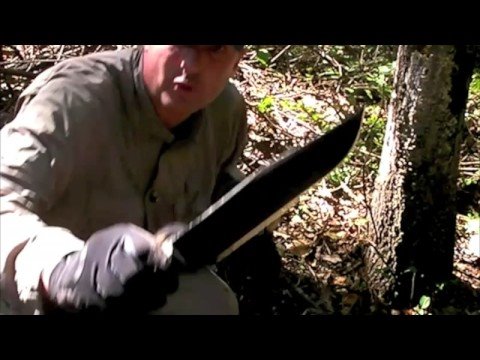
Survival Skills: Firemaking, Southeast US by Nutnfancy

Published on October 1, 2008
Duration: 14:52

This guide details how to process standing deadwood for firewood in the southeastern United States, emphasizing the importance of using a large survival knife like the KA-BAR Heavy Bowie for notching and a backpacking saw like the SawVivor for efficient cutting. It highlights techniques for preventing saw binding, lubricating blades, and safely felling a tree, crucial for obtaining dry, usable firewood. The content is presented by Nutnfancy, an experienced outdoorsman.


Quick Summary

Standing deadwood is preferred for firewood because it absorbs less water from rain and snow, resulting in drier wood with lower moisture content. This makes it easier to ignite and burn efficiently compared to ground wood, which tends to soak up moisture.

Chapters

  1. 00:00Introduction to Southeast US Survival Skills
  2. 00:35Testing the KA-BAR Heavy Bowie Knife
  3. 01:06Importance of Different Climates for Testing
  4. 01:19Knife Maintenance in High Humidity
  5. 01:27Using WD-40 for Blade Lubrication
  6. 01:48Chopping with the KA-BAR Heavy Bowie
  7. 02:10Challenges of Chopping Large Trees
  8. 02:32Advantages of Large Survival Knives
  9. 02:45KA-BAR Heavy Bowie Weight and Sheath
  10. 02:55Why 6-Inch Blades Are Insufficient
  11. 03:08Chopping Performance of KA-BAR Heavy Bowie
  12. 03:16Notching Technique with KA-BAR Bowie
  13. 03:34Using the SawVivor Saw
  14. 03:50Why Chop Down a Standing Tree
  15. 04:07Best Wood for Firewood
  16. 04:18Moisture Content in Ground Wood vs. Standing Deadwood
  17. 04:38SawVivor Backpacking Saw
  18. 04:49Tensioning and Lubricating the Saw
  19. 04:56Preventing Saw Binding
  20. 05:17Notching with KA-BAR Bowie for Sawing
  21. 05:44Assessing Tree Fall Direction
  22. 05:58Safety Precautions When Felling Alone
  23. 06:32Processing the Fallen Tree
  24. 06:50Effectiveness of KA-BAR and SawVivor Together
  25. 07:08Making Firewood from the Log
  26. 07:31Re-lubricating the Blade for Sap
  27. 07:44Dealing with Angled Cuts on Large Logs
  28. 07:59Depth Limitations of the SawVivor
  29. 08:29Sawing Large Logs and Depth Limits
  30. 08:48Effort and Tools for Wood Processing

Frequently Asked Questions

Why is standing deadwood preferred for firewood over wood found on the ground?

Standing deadwood is preferred for firewood because it absorbs less water from rain and snow, resulting in drier wood with a lower moisture content. This makes it easier to ignite and burn more efficiently compared to ground wood, which tends to soak up moisture.

What are the advantages of using a large survival knife like the KA-BAR Heavy Bowie for processing wood?

A large survival knife like the KA-BAR Heavy Bowie offers significant advantages for heavy-duty tasks such as chopping trees. Its substantial blade provides leverage and power, making it more effective for breaking down wood than smaller knives, though it is still labor-intensive.

How can one prevent a saw blade from binding when cutting wood?

To prevent saw blade binding, ensure the blade is properly tensioned and lubricated. Adjust the wood's presentation, and consider leaning on the saw to counteract the wood's weight. This is particularly important with flexible blades on large logs.

What maintenance is recommended for knife blades in humid environments like the southeastern US?

In humid climates, knife blades can become sappy and less effective. It's recommended to regularly lubricate blades with products like WD-40 to maintain cutting performance and prevent sap buildup, especially when using knives for wood processing.

More Training & Techniques Videos You Might Like

More from nutnfancy

View all →