Target Shooting Practice for Challenging Terrain | Thunder Ranch Training Center

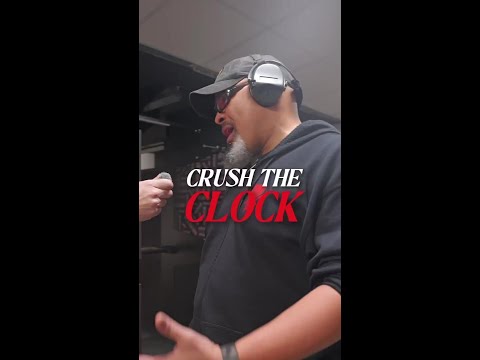
Instruction from Clint Smith of Thunder Ranch emphasizes practicing shooting from diverse, challenging field positions rather than just a bench. Key techniques include finding stable rests on sloped surfaces and rock piles, managing breathing, maintaining strict muzzle and trigger discipline, and adapting rifle cant for obstructions like fences. The training highlights critical safety aspects like ensuring the muzzle is clear of any forward obstacles, even those not visible through optics.

Quick Summary

Clint Smith of Thunder Ranch stresses practicing shooting from varied, uncomfortable field positions. Key techniques include finding stable rests on sloped surfaces and rock piles, managing breathing, maintaining strict muzzle and trigger discipline, and adapting rifle cant for obstructions like fences. Critical safety involves ensuring the muzzle is clear of any forward obstacles, even those not visible through optics.

Chapters

  1. 00:00Introduction to Positional Shooting
  2. 00:45Sloped Roof Position Practice
  3. 01:01Sitting and Port Shooting Drills
  4. 01:17Bipod Shooting Through Obstacles
  5. 01:34Rock Pile and Modified Sitting
  6. 01:54Chain-Link Fence and Canting Rifle
  7. 02:22Muzzle Clearance and Obstruction Safety

Frequently Asked Questions

What are the key principles for shooting from challenging terrain according to Clint Smith of Thunder Ranch?

Clint Smith emphasizes practicing from varied, uncomfortable field positions, not just a bench. Key principles include finding stable rests, managing breathing, maintaining strict muzzle and trigger discipline, and adapting to environmental constraints like slopes and obstructions.

How should a shooter approach shooting through or over a chain-link fence?

When engaging targets through or over a chain-link fence, a shooter may need to cant the rifle. This adjustment ensures that both the line of sight through the optic and the bore of the rifle clear the fence obstruction effectively.

What is the most critical safety consideration when shooting from unconventional positions?

The most critical safety consideration is ensuring the muzzle is clear of any forward obstructions, especially those that might not be visible through the optic. This prevents catastrophic equipment damage and potential injury.

Why is positional shooting practice important for firearms users?

Positional shooting practice is vital because real-world scenarios rarely involve a stable bench. Training from diverse, uncomfortable positions found in field environments prepares shooters for hunting, self-defense, or tactical applications where stability is compromised.

More Training & Techniques Videos You Might Like

More from NSSF—The Firearm Industry Trade Association

View all →