Top Factors for Hitting the Target - Long-range Shooting | Applied Ballistics

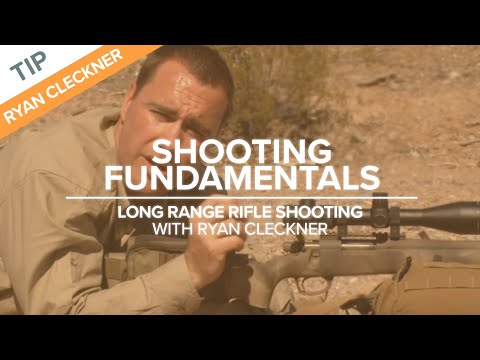
This guide, presented by ballistician Bryan Litz, outlines the critical factors for successful long-range shooting. It emphasizes accurate range estimation using tools like laser rangefinders and the importance of accounting for wind with devices such as Kestrel weather meters. Advanced shooters can delve deeper into secondary factors like spin drift and the Coriolis effect, as detailed in Applied Ballistics literature.

Quick Summary

Accurate range measurement and wind compensation are the two most critical factors for hitting long-range targets. Use a laser rangefinder for precise distance and a Kestrel weather meter to measure wind speed and direction, establishing a baseline wind call for your shots.

Chapters

  1. 00:00Introduction to Long-Range Factors
  2. 00:17The Importance of Range
  3. 00:52Accounting for Wind
  4. 01:44Secondary Ballistic Factors

Frequently Asked Questions

What are the most important factors for hitting targets at long range?

The top factors are accurate range measurement and accounting for wind. Range is critical because bullet drop is directly proportional to distance. Wind significantly affects shots beyond 300-500 yards, requiring precise measurement of speed and direction.

How can I accurately measure the distance to a long-range target?

While formulas can estimate range, a laser rangefinder is the preferred tool for precision. It provides accurate distance readings within a few yards, which is crucial for calculating the correct holdover for bullet drop.

Why is wind such a critical factor in long-range shooting?

Wind exerts significant force on a bullet in flight, pushing it off course. Accurately measuring wind speed and direction at the shooter's location using a device like a Kestrel weather meter is essential for making effective windage adjustments.

What advanced factors should long-range shooters consider?

Beyond range and wind, serious long-range shooters should also account for spin drift, the Coriolis effect, atmospheric conditions, and muzzle velocity. These elements are detailed in specialized ballistics literature.

Related News

All News →

More Training & Techniques Videos You Might Like

More from NSSF—The Firearm Industry Trade Association

View all →