Travis Haley - Adaptive Carbine Course

Published on May 7, 2013
Duration: 12:18

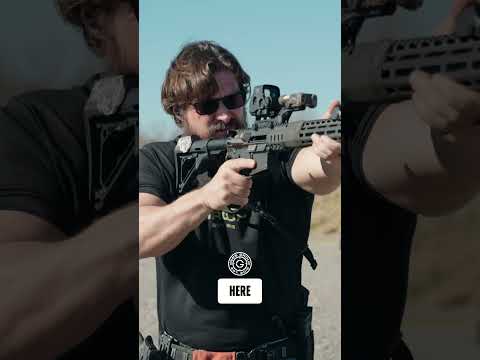
Travis Haley's Adaptive Carbine course emphasizes a scientific approach to reactive shooting, focusing on human anatomy, physiology, and psychology over simple 'recipes'. He advocates for continuous evolution of techniques based on research, rejecting the 'KISS' method for high-stress situations. The course also covers practical aspects like weapons manipulation in adverse conditions and features insights into the IWI Tavor bullpup rifle.

Quick Summary

Travis Haley's Adaptive Carbine course focuses on the science of reactive shooting, integrating human anatomy, physiology, and psychology. He emphasizes evolving techniques through research and rejects the 'KISS' method for high-stress situations, using scientific concepts for immediate improvement.

Chapters

  1. 00:10Introduction and Weather Conditions
  2. 00:48Course Overview: Adaptive Carbine & Disruptive Environments
  3. 01:41Training Philosophy: Science of Reactive Shooting
  4. 03:04The Adaptive Mindset: Evolving Techniques
  5. 04:20Teaching Methodology: Beyond KISS
  6. 06:52Practical Advice for Students
  7. 07:44IWI Tavor First Impressions
  8. 09:32Tavor Technical Features
  9. 11:32Course Camaraderie and Fun

Frequently Asked Questions

What is Travis Haley's training philosophy?

Travis Haley's philosophy centers on the science of reactive shooting, integrating human anatomy, physiology, and psychology. He emphasizes evolving techniques through research rather than relying on basic 'recipes' or the 'KISS' method in high-stress situations.

What are the key features of the IWI Tavor discussed?

The IWI Tavor is highlighted for its compact design (16-inch barrel in a 26-inch package), non-reciprocating charging handle, and intuitive bolt release. Despite initial reservations about bullpups, Haley found its ergonomics, balance, and magazine changes impressive.

What practical advice is given for attending a carbine course?

Attendees are advised to pack for all weather conditions, as adverse weather can be a training opportunity. Using electronic hearing protection is also recommended to better hear instructor feedback during live fire exercises.

How does Haley's teaching methodology differ from standard approaches?

Haley moves beyond the 'Keep It Simple, Stupid' (KISS) approach for critical situations. He utilizes technical concepts like force factors, muscle specificity, and proprioception, grounded in scientific understanding, to enhance student performance.

More Training & Techniques Videos You Might Like

More from Military Arms Channel

View all →