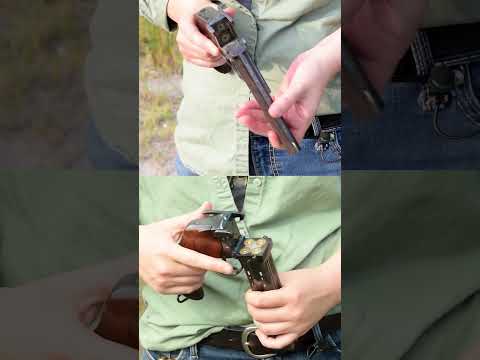
Trigger Terminology Colt 1902 Philippine Model

Published on December 31, 2025
Duration: 2:43

This guide breaks down essential firearm trigger terminology, explaining concepts like take-up, the wall, creep, break, overtravel, and reset. It uses a Colt 1902 Philippine Model for demonstration, highlighting how understanding these stages improves trigger control. The explanation emphasizes the importance of recognizing these distinct phases for more accurate shooting.

Quick Summary

Firearm trigger terminology includes take-up (initial travel), the wall (resistance point), creep (movement after the wall), the break (hammer fall), and overtravel (movement after the break). Reset is the forward trigger movement to re-engage the sear. Stacking is a progressively heavier pull.

Chapters

  1. 00:00Introduction to Trigger Terminology
  2. 00:17Understanding Take-up
  3. 00:40The Wall and Creep Explained
  4. 00:56The Break and Overtravel
  5. 01:39Reset and False Reset
  6. 01:55What is Stacking?

Frequently Asked Questions

What are the key stages of a firearm trigger pull?

The key stages are take-up (initial free movement), the wall (point of resistance), creep (movement after the wall), the break (hammer/striker fall), and overtravel (movement after the break). Understanding these improves control.

How does trigger reset work in firearms?

Trigger reset is the forward movement of the trigger after firing to re-engage the sear. This allows for a subsequent shot. A 'false reset' can occur in some revolvers where the cylinder cycles but the hammer isn't cocked.

What is 'stacking' in relation to a firearm trigger?

Stacking refers to a trigger pull that becomes progressively heavier as it nears the break. This is often due to increasing internal spring tension during the firing sequence.

Related News

All News →

More Training & Techniques Videos You Might Like

More from C&Rsenal

View all →