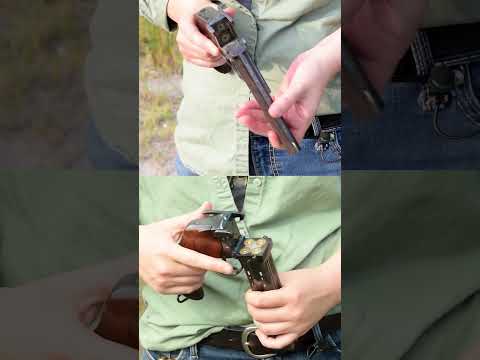
Trigger Terminology Colt 1902 Philippine Model

Published on December 31, 2025
Duration: 2:43

This guide breaks down essential trigger terminology using a Colt 1902 Philippine Model revolver. It details the stages of a trigger pull: take-up, wall, creep, break, and overtravel. Understanding these phases, along with trigger reset and potential false resets, is crucial for improving shooting accuracy and control. The instruction emphasizes safe practice with unloaded firearms or snap caps.


Quick Summary

Learn essential trigger terminology like take-up, wall, creep, break, overtravel, and reset. Understanding these stages, along with potential issues like stacking and false resets in revolvers, is crucial for improving shooting accuracy and control. This expert guide uses a Colt 1902 Philippine Model for clear demonstration.

Chapters

  1. 00:00Introduction to Trigger Terminology
  2. 00:17Take-up Explained
  3. 00:40The Wall and Creep
  4. 00:56The Break and Overtravel
  5. 01:39Reset and False Reset
  6. 01:55Stacking Explained

Frequently Asked Questions

What are the key stages of a firearm trigger pull?

A firearm trigger pull involves several stages: 'take-up' (initial unloaded travel), the 'wall' (point of resistance), 'creep' (movement after the wall), the 'break' (hammer/striker fall), and 'overtravel' (movement after the break). Understanding these is key to control.

How does trigger reset work and why is it important?

Trigger reset is the forward movement of the trigger after firing that re-engages the mechanism for the next shot. Feeling and utilizing the reset point allows for a more controlled and accurate follow-up shot without excessive trigger manipulation.

What is 'stacking' in relation to a trigger pull?

'Stacking' describes a trigger pull that progressively gets heavier as it approaches the break. This is often due to increasing spring tension during the pull and is a characteristic that shooters learn to manage for accuracy.

What is a 'false reset' in a revolver?

A 'false reset' in some revolvers occurs when the trigger is released and re-engaged, causing the cylinder to rotate, but the hammer is not fully cocked or ready to fire. This can lead to a failure to fire on the next attempt.

Related News

All News →

More Training & Techniques Videos You Might Like

More from C&Rsenal

View all →