When Eliminating a Deadly Threat, Always Follow Through

Published on August 14, 2025
Duration: 3:50

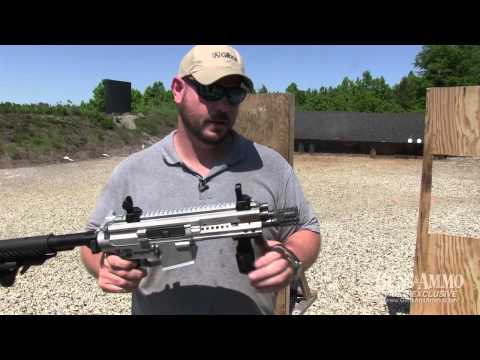
This video emphasizes the critical importance of 'follow-through' in self-defense scenarios, extending beyond simple marksmanship. It details both the mechanical aspect of resetting the trigger for immediate follow-up shots and the tactical aspect of staying engaged with the threat, following them to the ground, and scanning for additional threats. The instruction highlights the need for continuous threat assessment and readiness to re-engage.

Quick Summary

Firearm follow-through in self-defense involves both mechanical and tactical aspects. Mechanically, it means resetting the trigger for immediate follow-up shots. Tactically, it requires staying engaged with the threat, following them to the ground, and scanning for additional dangers.

Chapters

  1. 00:00Introduction to Personal Defense
  2. 00:29The Importance of Follow-Through
  3. 00:37Defining Follow-Through: Mechanical vs. Tactical
  4. 00:52Demonstrating Follow-Through Techniques
  5. 01:17Trigger Reset for Follow-Up Shots
  6. 01:31Following the Threat to the Ground
  7. 01:47Tactical Scanning Methods
  8. 02:34Comparing Scanning Techniques
  9. 03:16Recap: Mechanical and Tactical Follow-Through

Frequently Asked Questions

What is the most neglected fundamental of marksmanship in self-defense?

The most neglected and least understood fundamental of marksmanship in self-defense situations is 'follow-through.' This encompasses both the mechanical ability to fire subsequent shots and the tactical awareness to stay engaged with the threat.

What are the two main components of firearm follow-through in a self-defense scenario?

Firearm follow-through has two key components: mechanical, which involves resetting the trigger for immediate follow-up shots, and tactical, which means staying engaged with the threat, following them to the ground, and scanning for additional dangers.

How should you scan for additional threats after neutralizing an immediate danger?

After neutralizing a threat, you can scan by moving your eyes and muzzle together, or by scanning with your head while keeping the firearm in a neutral position. The choice depends on the tactical situation and your ability to re-engage quickly.

Why is trigger reset important during tactical follow-through?

Trigger reset is crucial for mechanical follow-through because it ensures your firearm is ready to fire another round immediately if the threat is not fully neutralized. This readiness can be vital in a dynamic self-defense encounter.

More Training & Techniques Videos You Might Like

More from Guns & Ammo

View all →