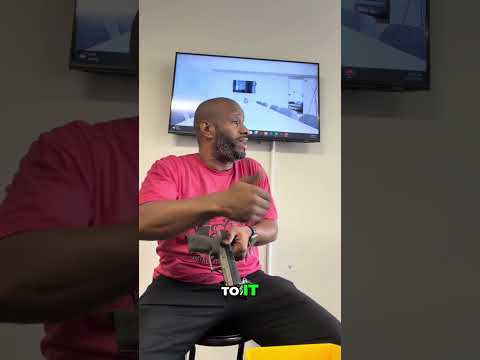
Why Glocks Suck Pt: 7 - They're Not A "Natural Point Of Aim"

Published on March 14, 2021
Duration: 6:40

This video explains that the perceived 'natural point of aim' issue with Glocks, where the sights appear high upon presentation, is intentional. The pistol's grip angle is designed to encourage a specific wrist rock, optimizing the grip for faster and more accurate follow-up shots. This technique leverages body mechanics and joint manipulation, a principle known to professional shooters.

Quick Summary

Glocks are designed with an intentional grip angle that causes sights to appear high upon presentation, promoting an optimized grip. This feature aids in achieving faster and more accurate follow-up shots by leveraging body mechanics and joint manipulation, a principle known to professional shooters.

Chapters

  1. 00:00Introduction: Why Glocks Suck Pt. 7
  2. 00:22Sponsor: MyMedic.com
  3. 01:11The 'Natural Point of Aim' Myth
  4. 02:14Understanding Joints and Body Mechanics
  5. 02:52Glock Presentation vs. Other Pistols
  6. 03:08The Purpose of the Glock Grip Angle
  7. 04:02How the Glock Grip Aids Shooting
  8. 04:33Glock's Optimized Grip Intent
  9. 05:03Raked Grip Angle Explained
  10. 05:26Advice for New Shooters
  11. 05:43Conclusion and Sponsor Reminder

Frequently Asked Questions

Why do Glocks seem to point high when drawn?

Glocks are designed with a specific grip angle that intentionally causes the sights to appear high upon presentation for many shooters. This is not a flaw but a feature intended to promote an optimized grip for better shooting performance.

Is the Glock's high sight picture a problem for accuracy?

No, the high sight picture is a deliberate design choice. It encourages a wrist rock that optimizes the grip, which in turn aids in achieving faster and more accurate follow-up shots, making it beneficial for shooting.

What is 'natural point of aim' in shooting?

Natural point of aim refers to how a firearm naturally points for an individual without conscious effort. It varies from person to person, and firearm manufacturers cannot create a universal 'natural point of aim' for all users.

How does body mechanics relate to shooting a Glock?

Understanding body mechanics, particularly joint manipulation and how skeletal structures lock, is key. The Glock's grip angle encourages a specific wrist position that leverages these principles for improved shooting efficiency and follow-up shots.

Related News

All News →

More Training & Techniques Videos You Might Like

More from RTT : Guns & Gear

View all →