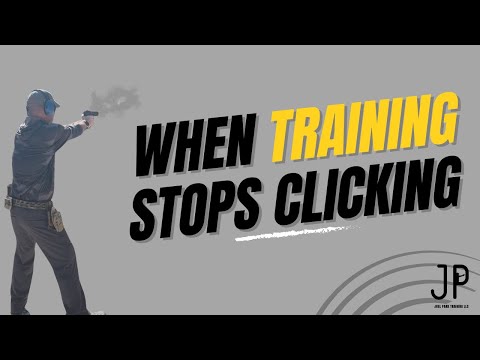
Why Training is so Important

Published on March 9, 2021
Duration: 61:07

This video emphasizes the critical importance of proper training, distinguishing practice from true training. It details techniques for improving grip and stance, highlighting the benefits of a balanced grip (70% support hand, 30% dominant hand) and a stable, slightly bent-elbow shooting posture. The discussion also covers dry-fire and airsoft training as effective methods to hone skills, especially during ammunition shortages, and delves into the impact of aftermarket triggers on accuracy and performance.

Quick Summary

Proper firearm training goes beyond just practice; it involves deliberate technique improvement. Key elements include a balanced grip (70% support hand, 30% dominant), a stable stance, and focusing on trigger control. Dry-fire and airsoft training are effective for skill development, especially during ammo shortages.

Chapters

  1. 00:00Introduction & Guest Intro
  2. 00:57Sponsorship: Sportsman's Guide
  3. 02:08Topics: Training, Legislation, Triggers
  4. 02:30The Importance of Firearm Training
  5. 03:39Training vs. Practice
  6. 04:06Self-Analysis with Video
  7. 05:19Grip and Stance Details
  8. 06:42Expert Grip Advice (Mike Glover)
  9. 07:24Stance Variations (Isosceles vs. Modified Weaver)
  10. 08:18Golf Stance as Shooting Stance
  11. 08:41Grip Strength Distribution
  12. 09:58Recoil Management with Support Hand
  13. 10:22Value of Formal Training Classes
  14. 10:40Dry Fire and Airsoft Training
  15. 11:57Benefits of .22LR for Fundamentals
  16. 12:18Reinforcing Subconscious Skills
  17. 13:08Malfunction Clearing Drills
  18. 13:48Q&A Session Start
  19. 14:13Mental Aspects of Shooting
  20. 15:02New Shooter Experience
  21. 15:34Gun Control Legislation: HR 8
  22. 17:35Gun Control Legislation: HR 1446
  23. 22:02Taking Action: PopVox and Advocacy
  24. 24:11Supporting 2nd Amendment Advocates
  25. 26:13Importance of Standing for 2nd Amendment
  26. 26:46Q&A: Concealed Holsters
  27. 28:39Q&A: Training with Ammo Shortage
  28. 30:44Q&A: Riding the Slide
  29. 31:54Q&A: Simunition/Force-on-Force
  30. 32:53Q&A: Enforcement of Transfer Laws
  31. 35:50Q&A: CCW Holders and New Laws
  32. 36:45Q&A: State Rights vs. Federal Law
  33. 38:57Sponsorship Recap: Sportsman's Guide
  34. 39:28The Importance of Firearm Triggers
  35. 40:30Glock Connectors and Trigger Improvement
  36. 41:17Trigger Reset Explained
  37. 41:57Disclaimer: Aftermarket Triggers & Carry Laws
  38. 42:49Triggers for Rifles (AR-15)
  39. 43:40Enhanced GI Triggers
  40. 44:30Reliability Concerns with Light Triggers
  41. 45:50Hammer Springs and Light Primer Strikes
  42. 46:41Combat Triggers vs. Competition Triggers
  43. 48:28Triggers for Precision Shooting
  44. 48:51Kimber K6s Trigger Review
  45. 50:41Glock Flat Face Trigger Advantages
  46. 51:53Trigger Feel and Predictability
  47. 52:30Trigger Improvement Over Time
  48. 53:36Focusing on Trigger Pull During Shooting
  49. 54:04Modern Firearms with Flat Triggers
  50. 54:38Firearm Fit for New Shooters
  51. 59:50Training Tool: Rubber Dummies
  52. 60:41Conclusion & Final Thanks

Frequently Asked Questions

What is the difference between firearm practice and training?

Practice typically involves simply shooting at a range, while training involves deliberate analysis and improvement of technique, often with expert feedback or self-critique, to build subconscious skills.

How can I improve my firearm grip and stance?

A solid grip uses about 70% support hand and 30% dominant hand, pushing the gun into your palm. A good stance is like a golf stance: shoulder-width, weight forward, with slightly bent elbows.

Why are aftermarket triggers important for shooting accuracy?

Aftermarket triggers, especially flat-faced ones, offer consistent finger placement, better leverage, and a crisper, shorter reset. This reduces sight disturbance and allows for faster, more accurate follow-up shots.

What are good training alternatives when ammunition is scarce?

Dry-fire training at home, using airsoft replicas, or employing laser training systems are effective methods to practice firearm manipulations, trigger control, and sight alignment without live ammunition.

What are the implications of HR 8 and HR 1446 for firearm owners?

HR 8 would mandate background checks for all transfers, including private sales, potentially creating a registry. HR 1446 proposes extended waiting periods for firearm purchases, delaying acquisition.

More Training & Techniques Videos You Might Like

More from sootch00

View all →